

The right fence panels can transform your outdoor space, offering both privacy and visual harmony with your garden style. Making the best choice requires balancing security, level of seclusion, and aesthetic preferences. This guide discusses essential factors and practical steps to help you select panels suited to your needs and environment.
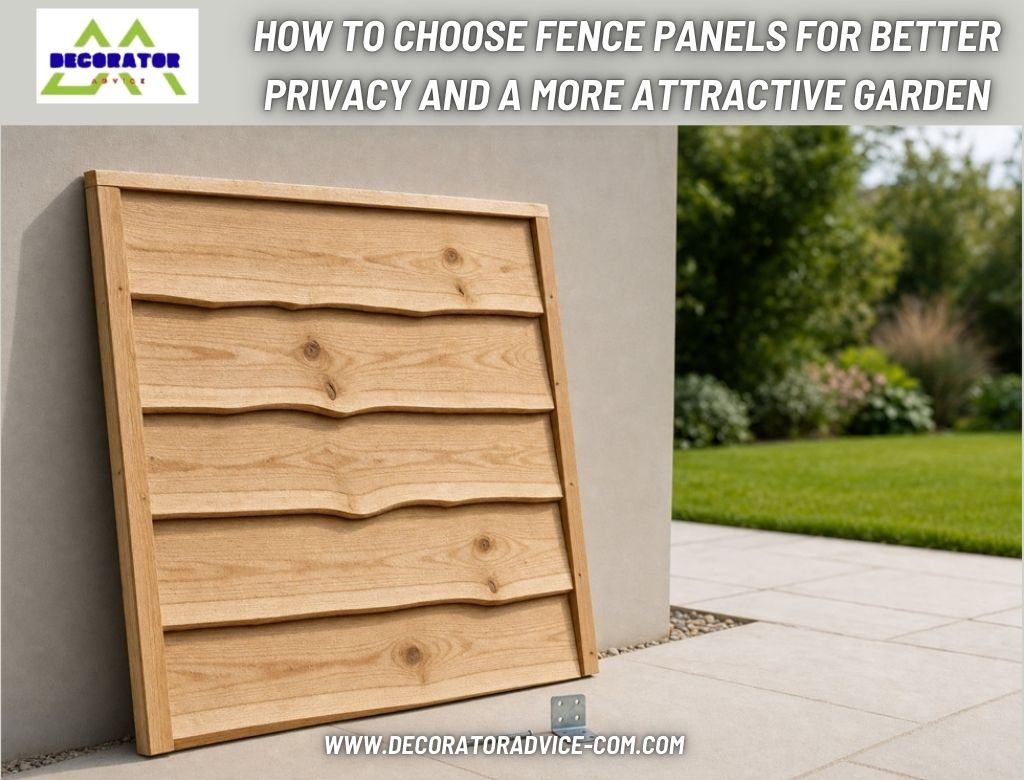
Establishing clear boundaries in your outdoor space is about more than just marking property lines. Choices in fence panels affect your day-to-day comfort, as they help block unwanted views, moderate noise, and define your garden’s personality. Considering factors like layout, privacy needs, and how panels look with your overall design will support a successful outcome. Waney lap fence panels are a practical choice when balancing privacy and visual appeal, as their overlapping board construction provides effective screening and suits many garden styles.
Assessing privacy needs and garden layout
Before choosing any fence panels, think about how you use your garden on a day-to-day basis. If you have specific seating areas, spaces for pets, or safe zones for children’s play, your fence choice should support these uses effectively.
The degree of privacy you require influences panel height and style. If you want to screen out views from neighbouring properties, consider taller panels with minimal gaps between boards. Gardens overlooked by several windows or on sloping ground might need extra attention to ensure consistent coverage along the boundary.
Planning regulations may set limits on fence panel height, especially for boundaries adjoining roads. While rules vary, checking general guidelines helps prevent costly mistakes or disputes later. Aim for balance, ensuring your chosen panels provide seclusion while still fitting seamlessly with the environment.
Evaluating construction and durability features
Panel construction can determine long-term satisfaction with your privacy and the look of your garden. Overlapping boards, as seen in many designs, provide solid coverage and reduce gaps through which passers-by might see. This feature also helps the fence withstand weather by allowing rainwater to run off efficiently.
Frame strength is especially important for durability. Heavier-duty frames resist warping and sagging over the years. When evaluating panels, look for robust fixings and quality treatments that guard against rot and splitting, particularly if you live in an area exposed to wind or moisture.
Some trade suppliers, such as NWTT, show that well-finished panels with reinforced framing tend to be more resilient to everyday wear and changing weather conditions. Choosing panels with galvanised fastenings and sturdy posts can help improve durability, supporting the fence in withstanding seasonal stresses.
Supports such as gravel boards help protect the lower edges of your panels from repeated water exposure, which may extend the lifespan of your fence. The correct spacing and installation of posts are also important for keeping your fence stable and aligned.
Finding a style that fits your outdoor theme
The visual aspect of fence panels should work with the rest of your garden choices. Modern, minimalist spaces pair well with simple, uniform panels, while naturalistic or cottage-inspired gardens look appealing with traditional lap or featheredge styles. The shape and silhouette of the tops, such as flat, arched, or concave, can also add subtle character.
Consider harmony with surrounding features. If your garden includes brick paths, rendered walls, or bold planting schemes, select panel finishes or colours that complement these elements. Staining or painting panels lets you tie them into your garden’s palette and can help wood last longer.
Outdoor furniture and gates should also coordinate with your panel choice. Consistent materials and colours create a unified look, making the boundary feel like an integrated feature rather than an afterthought. Matching gate hardware with panel fixings, and similar small adjustments, make a noticeable difference in overall appearance.
Prioritising upkeep and installation details
The longevity of your fence depends not only on what you purchase but also on how you install and maintain it. Elevating panels with gravel boards limits direct ground contact and reduces decay. Leaving small drainage gaps at the bottom helps excess moisture escape rather than collect against the wood.
Seasonal checks are useful for spotting signs of rot, loose fixings, or shifting posts, especially after heavy weather. Routine cleaning and the occasional reapplication of stain or preservative can keep the panels looking fresh and maintain their structure over time.
Proper installation has both visual and practical benefits. Ensure posts are evenly spaced and set to the right depth for stability. Using a string line for alignment creates a neat, professional appearance across the fence run.
Balancing privacy, style, and maintenance when selecting panels can help achieve a satisfying result in the long term. Taking time to identify your main priorities and compare panel types to your garden’s needs ensures a boundary that suits both function and appearance.









2 Comments