

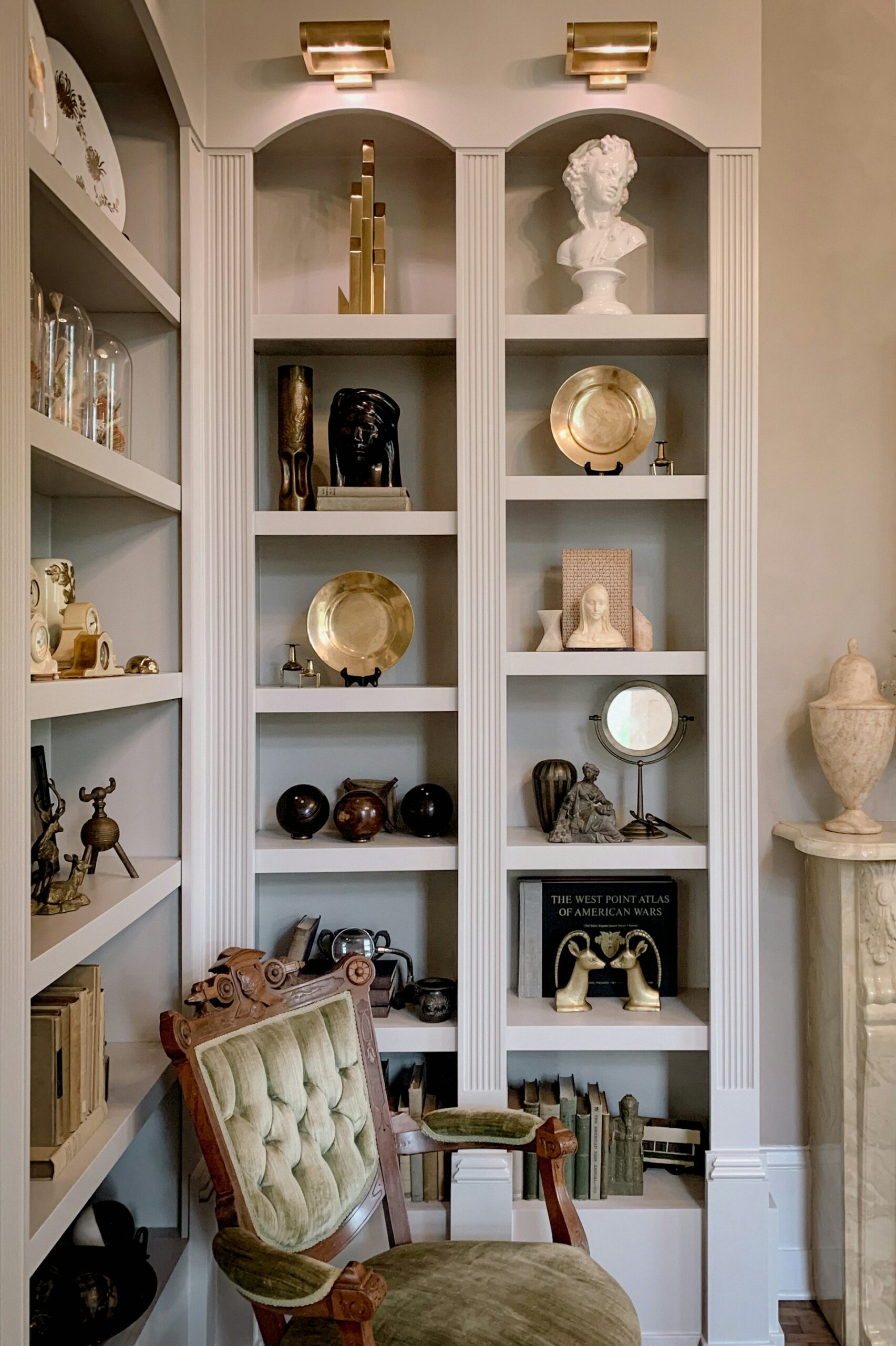
Lighting is the single most underestimated element in home design. Most homes are significantly under-lit or incorrectly lit — relying on a single overhead source per room that creates harsh, flat illumination with none of the warmth, depth, or atmosphere that makes a home feel genuinely comfortable. Understanding how to layer light — and which fittings, bulbs, and positions produce the best results — is one of the highest-return improvements any homeowner can make.
The Three Layers of Light
Every well-lit room has three layers working together. Ambient light provides the room’s general illumination — typically from a ceiling fixture on a dimmer switch. Task light is focused, brighter light for specific activities — reading, cooking, working. Accent light adds depth and visual interest — uplighters, picture lights, under-shelf lighting, or candles. A room with only ambient light is flat and institutional. A room with all three layers feels genuinely considered and comfortable.
Room-by-Room Lighting Guide
Living Room
The living room needs the most flexibility of any room — bright enough for activity, dim enough for relaxation. Install a dimmer on the ceiling light as the first priority. Add a floor lamp and at least one table lamp. Warm white bulbs at 2700K create the most comfortable, flattering atmosphere. Never rely on a single ceiling light for evening use.
Kitchen
The kitchen needs the brightest task lighting in the house — a well-lit workspace prevents errors and makes cooking significantly more enjoyable. Under-cabinet LED strip lighting is the highest-return kitchen lighting upgrade available: it directly illuminates the worktop, eliminates shadows, and dramatically improves both the room’s functionality and its evening atmosphere. Pendant lights above an island or dining table add visual interest and define the zone.
Bedroom
The bedroom should never rely on overhead lighting for evening use. A bedside lamp on each side of the bed is non-negotiable — reading in bed with overhead light is both impractical and sleep-disrupting. A ceiling light on a dimmer is useful for getting dressed. LED strip lighting behind a headboard or beneath a floating bed frame creates a sophisticated ambient glow. All bedroom bulbs should be warm white (2700K) maximum.
Bathroom
The bathroom needs both task lighting (for grooming) and ambient lighting (for relaxation). A backlit or well-lit mirror provides the most useful task lighting — light from the front eliminates the shadows created by overhead lighting. A separate dimmer-controlled ceiling light or wall lights flanking the mirror allow the bathroom to function as both a practical space and a relaxing one.
Bulb Guide: Choosing the Right Temperature and Type
| Bulb Temperature | Colour Appearance | Best Room |
| 2700K (Warm White) | Warm yellow-white — like incandescent | Living room, bedroom, dining room |
| 3000K (Soft White) | Slightly cooler warm white | Kitchen, bathroom, home office |
| 4000K (Cool White) | Neutral, crisp white | Garage, utility room, workshop |
| 5000K+ (Daylight) | Bright blue-white, clinical | Art studio, task-only spaces |
For lighting inspiration that shows how different fittings, temperatures, and layering approaches transform real rooms — with guidance on both aesthetic and practical considerations — LifeLine Home Style provides consistently thoughtful content on the role of lighting in creating homes that feel beautiful at every time of day.
For lighting installations that require an electrician — dimmer switches, new ceiling roses, under-cabinet wiring, or bathroom lighting within wet zones — Guild of Handymen can connect you with qualified professionals who carry out electrical work safely and to the required standard.
Q: What is the most important lighting change I can make?
A: Install a dimmer switch on your living room ceiling light (£15-£30, a one-hour job) and add two warm-white lamps. This single set of changes transforms the room’s evening atmosphere more dramatically than almost any other home improvement at this price point.
Q: What colour temperature is best for home lighting?
A: 2700K warm white for all living spaces — living room, bedroom, dining room. 3000K for kitchens and bathrooms where slightly brighter, crisper light aids task work. Avoid anything above 3000K in rooms where you relax — cooler light is stimulating and disrupts the transition to rest. For a full guide to creating beautiful, layered lighting in every room, Decor Luxury Home is a consistently excellent resource.









One Comment