

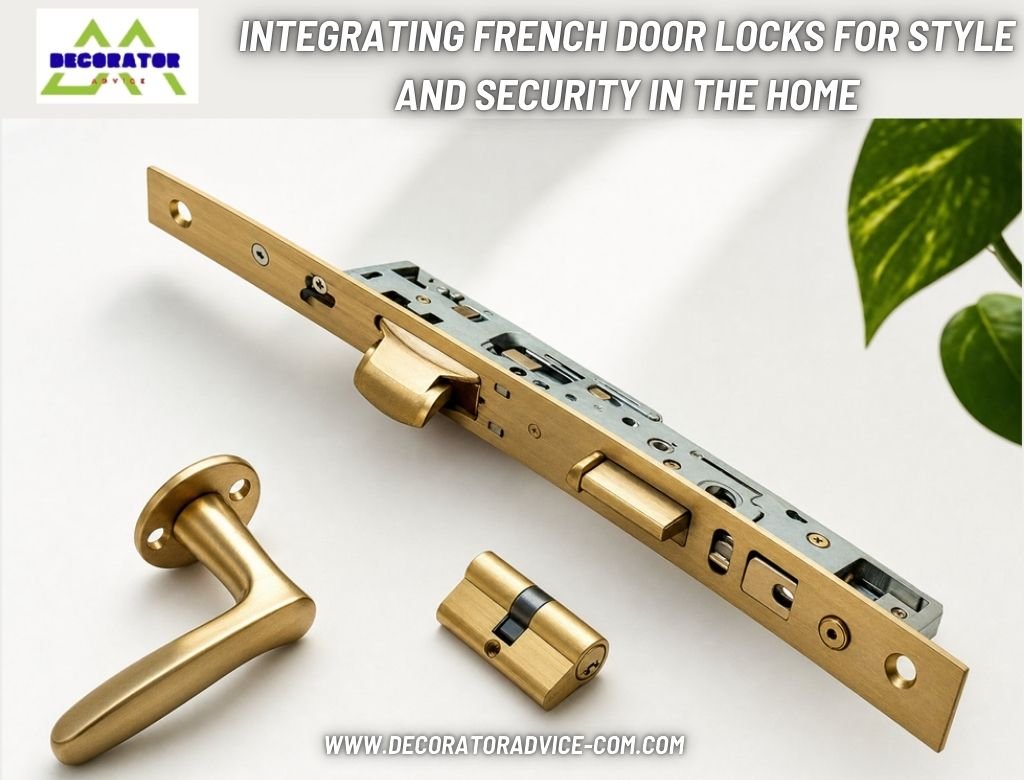
Choosing the right lock for your French doors is about complementing the style of your home as well as achieving reliable security. Careful hardware selections can enhance daily comfort while also providing essential protection. Understanding available locking options helps you balance aesthetics, function, and safety without unnecessary complication.
Your choice of door hardware plays an important role in both the appearance and security of every room. With design and technology evolving, selecting french door locks that fit your décor and contribute to the safety of your property is more accessible. The market provides a variety of mechanisms, styles, and finishes to suit different needs.
Whether updating an existing space or planning new installations, french door locks influence how successfully functionality and aesthetics combine throughout your home. This overview considers common configurations, lock types, materials, security factors, usability, and upkeep. It is offered as a neutral guide to support informed hardware decisions.
Understanding door layouts and safety implications
French doors typically use two hinged panels that open outward or inward, creating a distinctive visual feature. Paired doors require hardware that secures both panels effectively and reduces points of weakness where the panels meet.
Multi-panel and glazed layouts are popular for increasing light, although additional glass can decrease impact resistance compared to solid panels. Assess how each configuration may present different vulnerabilities that quality hardware can help to address.
Comparing functional lock mechanisms and options
The lockset selected affects both day-to-day use and security. Multi-point locking systems engage at several locations within the frame, which can improve resistance to prying by distributing the securing force. Single-point deadbolts or latches may also be effective when correctly specified and installed.
Common options include deadbolts, sash locks, and internal latches, each suited to particular operations and typical usage. Keyed locks are often needed for exterior doors, while thumbturn mechanisms provide convenience for regularly accessed spaces. For some interior uses, privacy and alignment may be prioritised over high security.
Selecting hardware finishes and materials for harmony
Choosing the right finish and material affects both the look and longevity of the lock. Matching lock and handle finishes to surrounding hardware, such as hinges and light fixtures, can help achieve a cohesive style within a room’s scheme. Hardware in chrome, brass, matte black, or nickel coordinates differently with other surfaces and lighting conditions.
Practical requirements matter when doors are handled regularly, as certain finishes are more resistant to fingerprinting and tarnishing. High-touch areas benefit from durable coatings that withstand ongoing use and reduce maintenance. Material selection also influences wear over time, particularly in humid or coastal settings.
Prioritising home security with reliable components
Security is an important consideration when specifying French door locks. Cylinder quality and features such as anti-snap and anti-drill design can help improve resistance to common forms of forced entry, depending on the lock chosen. Strike plates, fixings, and a strong door frame also contribute to overall strength.
Glazed panels adjacent to or within doors can be a potential weakness unless reinforced or fitted with locks positioned away from easy reach. Ensuring that all hardware components work together supports an effective barrier. This coordinated approach helps maintain system performance without relying on any single feature.
Focusing on usability and everyday convenience
Ease of locking and unlocking impacts satisfaction with door hardware choices. Accessible mechanisms are important for younger family members, older adults, or anyone with reduced dexterity. Smooth operation can indicate correct installation and help reduce frustration during daily use.
Child safety is sometimes relevant, including avoiding accidental engagement where it might cause inconvenience. Noise produced by latches and door movement can also affect comfort, particularly at night. Considering these points helps align hardware choices with household routines.
Ensuring correct fitting and ongoing maintenance
Measuring door thickness, checking alignment, and confirming important dimensions such as backset or handle centres are essential steps before purchasing a new or replacement lockset. Careful preparation helps prevent misfits, supports reliable use, and matches manufacturer requirements. This can reduce the risk of premature wear.
Following installation, regular care maintains smooth operation and visual appeal. Occasional lubrication of moving parts and timely adjustment for seasonal changes can keep locking hardware functioning correctly. Inspecting fixings and strike plates periodically can also help support reliable performance.
Making confident choices for lasting appeal
When considering options for style and security, review how lock design works with other hardware in your home. Aim to balance features such as multi-point locking with finishes that complement your chosen interior style. Matching practical requirements to how the doors are used on a daily basis is key.
Careful selection of french door locks can support both security and a visually unified appearance in areas beyond entryways, including fitted storage using bi-folding wardrobe doors. By focusing on fit, function, and consistency in style, you can help promote a home that remains both attractive and secure. Ongoing maintenance will support continued performance over time.






One Comment