

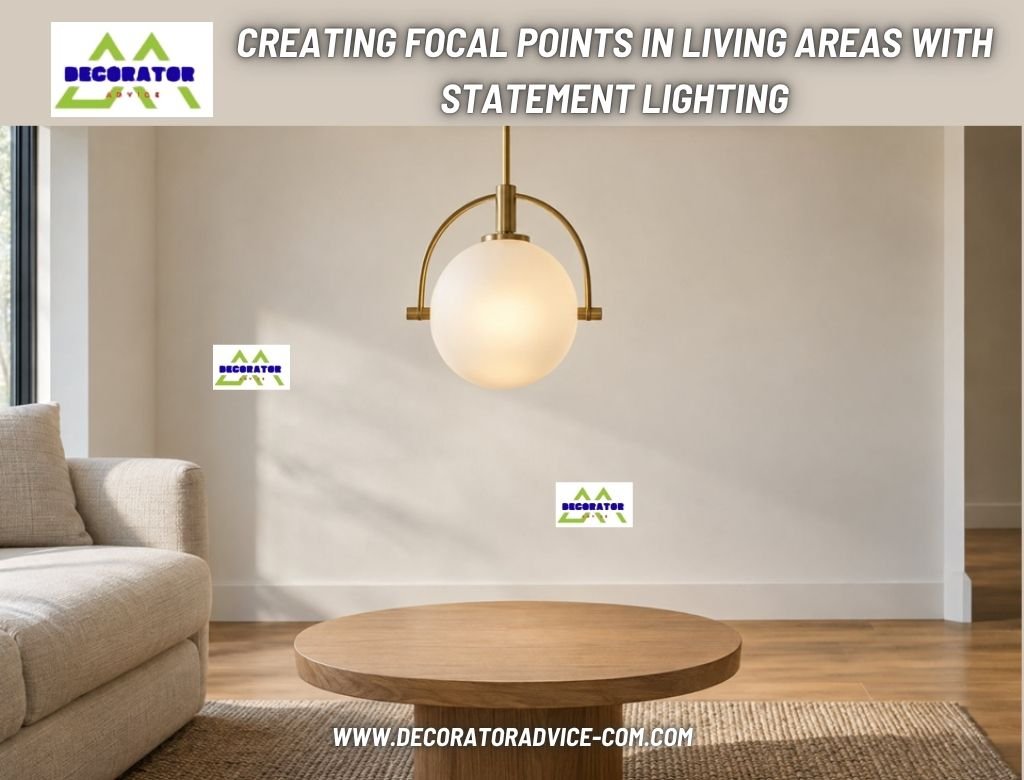
Distinctive lighting fixtures can instantly transform a living space, acting as both practical light sources and eye-catching design features. Achieving the right focal point enhances room character without compromising everyday comfort, making statement lighting a versatile tool for home decorators.
Statement lighting serves as more than simple illumination; it draws the eye, anchors furniture groupings, and helps define the mood of your living spaces. Whether your room requires an inviting centerpiece or an accent that sparks conversation, a bold fixture can deliver style along with function.
As new lighting designs continue to emerge, keeping up with Visual Comfort Europe new designer lighting introductions can help when selecting and placing statement lighting so a space feels both intentional and welcoming. Balancing visual drama with comfortable lighting levels remains essential for creating inviting rooms that function throughout the day and night.
Defining a statement piece: more than just size
What sets a statement light apart is its ability to command attention. Scale certainly matters, but equally important are silhouette, materials, and finish. An eye-catching chandelier, sculptural pendant, or dramatic floor lamp can become a focal point through shape or craftsmanship rather than sheer size or brightness.
“Bold” in lighting design does not always mean dazzling or excessively bright. Sometimes it is the form itself, such as a sweeping arc, geometric frame, or unusual texture, that delivers impact. Unexpected finishes like hammered metal, smoked glass, or matte ceramic can also add interest even in neutral color schemes.
Adapting to different spaces: selecting by room and layout
The most effective focal points feel tailored to each room’s function and proportions. In traditional living rooms, hanging a large pendant over a coffee table or centrally within a seating area can anchor the arrangement. In open-plan spaces where living and dining zones connect, take care that lighting over one area does not compete with fixtures in the adjacent space. Choose which function deserves the bolder statement and use subtler fixtures elsewhere for balance.
Consider sightlines as you enter: a feature light visible from the hallway or main entrance should complement, not clash with, other focal points. In compact homes, a statement wall sconce or vertically oriented fixture can provide interest where there is no room for a large pendant, while still guiding the eye and enhancing spatial flow.
Proportion and placement: fundamentals for harmony
Getting sizing right is foundational when selecting statement lighting. In rooms with standard ceiling heights, oversized fixtures can overwhelm while tiny ones are easily lost. As a rule, ensure the bottom of a pendant or chandelier hangs high enough to provide clear sightlines and safe head clearance in busy areas.
For lights above coffee tables or low furniture groupings, aim for enough space between the tabletop and the lowest point of the fixture to avoid glare and obstruction. Aligning central lights directly with seating arrangements and area rugs helps unify the space visually. Always account for walkways and natural pathways so the fixture enhances rather than interrupts the room’s flow.
Layering light: supporting the statement piece
No single fixture should be responsible for all the light in a living space. Supporting lighting layers, such as recessed spotlights, floor lamps, or wall sconces, can complement the statement piece without competing with it visually. These sources allow you to modulate brightness as needed throughout the day, ensuring both practical illumination and dynamic ambiance.
Dimmer switches offer flexibility, letting you highlight the statement fixture for evening entertaining or soften its presence for relaxed mornings. Combining direct and indirect lighting keeps the environment adaptable and prevents harsh contrasts.
Intentional finishes and materials
Coordinating the finish of your statement lighting with surrounding furniture and hardware creates cohesion rather than visual clutter. For example, brushed brass on a pendant can echo door handles or table legs to tie a scheme together.
Glassy or frosted shades help control glare and diffuse light, enhancing comfort in frequently used living areas. Textured surfaces or layered materials provide visual complexity, showing that material choice can impact both style and function.
Mistakes to avoid with statement lighting
- Choosing a fixture that’s too large for low ceilings, or too small for open spaces, upsets visual balance.
- Using bulbs with overly high wattage or the wrong color temperature can cause discomfort and harsh shadows.
- Mixing too many bold statement pieces in a single sightline can lead to distraction rather than a harmonious effect.
Premium sources and craftsmanship
When sourcing a standout fixture, look for quality materials and thoughtful craftsmanship. Visual Comfort designs and curates premium decorative and architectural lighting that blends timeless design, craftsmanship, and performance for residential and commercial spaces.
Checklist for statement lighting success
- Decide which room or spot will benefit most from a focal light.
- Choose the right scale for your ceiling height and room size.
- Align placement with furniture and clear walkways.
- Layer with supporting lights and install dimming controls.
- Coordinate finishes and consider glare when selecting shades and bulbs.
- Limit the number of bold fixtures visible from the same spot.
Care in selecting and positioning statement lighting brings focus, comfort, and character to any living area, making your principal fixtures feel like purposeful highlights rather than afterthoughts.