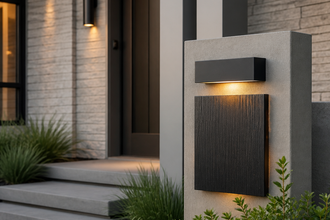


Posts have long served as essential structural elements in architecture, but their decorative potential often goes unexplored in modern interiors. Whether separating open-plan spaces, framing doorways, or adding vertical interest to rooms with high ceilings, well-chosen posts can transform bland architecture into something memorable. The key lies in understanding when posts enhance a space versus when they simply clutter it, and in selecting materials and profiles that complement rather than compete with existing design elements.
Assessing Where Posts Add Value
Not every interior benefits from decorative posts. They work best in spaces where vertical definition serves a clear purpose. Open-concept homes often lack visual boundaries between kitchen, dining, and living areas, creating an amorphous quality that can feel unfinished. Posts placed at strategic transition points help define zones without sacrificing sightlines or light flow. They signal where one space ends and another begins while maintaining the openness that makes these floor plans desirable.
High ceilings present another opportunity. Rooms with ceiling heights above nine feet can feel disproportionate, particularly when floor space is limited. Posts draw the eye upward and create a sense of scale that grounds the space. In lofts or renovated industrial buildings with exposed structure, decorative posts can echo existing columns while adding warmth through material choice. The contrast between raw steel or concrete and finished wood creates layered visual interest.
Material Selection and Architectural Compatibility
Wood species dramatically affect how posts read in a space. Douglas Fir offers pronounced grain patterns and a warm honey tone that suits both rustic and refined interiors. Its natural variations mean no two posts look identical, which adds character but requires careful matching if you need multiple pieces. Western Red Cedar brings a lighter, more uniform appearance with inherent resistance to moisture and insects, making it practical for spaces near entryways or in humid climates.
The profile of a post matters as much as its material. Square posts with clean lines suit contemporary and transitional homes, while turned or tapered posts lean traditional. Reclaimed timber posts carry historic character but demand skilled installation because dimensional variations and existing joinery complicate fitting. Box beam construction offers an alternative that combines authentic appearance with modern manufacturing consistency, though solid timber remains the standard for load-bearing applications.
Finish Options and Maintenance Considerations
Unfinished wood allows for custom staining to match existing trim and cabinetry, but it requires immediate sealing to prevent moisture absorption and staining. Pre-finished posts save time and ensure even color, though they limit flexibility if you later change your palette. Clear finishes showcase natural grain and allow the wood to age visibly, developing patina over time. Painted posts provide the crispest look and greatest color flexibility but obscure wood character entirely, which defeats the purpose if texture and warmth are your goals.
Selecting Decorative Posts for Your Project
When choosing posts for interior installation, accurate sizing prevents costly mistakes. Measure floor-to-ceiling height at multiple points because floors and ceilings are rarely perfectly level. Account for any baseboards or crown molding that posts need to meet cleanly. Standard posts come in common dimensions, but custom sizing ensures proper fit in non-standard spaces. For homeowners and designers working on projects that require both authenticity and consistency, manufacturers like Tar River Timber Works produce decorative timber post options in species like Douglas Fir and Western Red Cedar, milled to precise specifications and shipped throughout the United States for residential and commercial installations.
Consider how posts will terminate at the floor and ceiling. Simple square cuts against flat surfaces create clean modern lines, while decorative capitals and bases add classical detail. Posts that appear to support beams need proper proportions to look convincing even when structural work is hidden inside walls. A post that looks too slender for its apparent load creates visual tension rather than the desired sense of solidity.
Installation Methods and Structural Considerations
Decorative posts fall into two categories: purely ornamental and load-bearing. Ornamental posts attach to floors and ceilings using brackets, screws, or adhesive, requiring no structural engineering but demanding secure fastening to prevent wobbling. Load-bearing posts must transfer weight through proper connections to framing, which typically means working with an engineer and obtaining permits. Even decorative posts benefit from attachment to floor joists and ceiling framing rather than just surface materials.
Installation sequence matters. Posts should go in after flooring but before final trim, allowing you to scribe baseboards around them for clean transitions. If you are installing multiple posts to create a colonnade or room divider, establish a consistent layout using string lines or laser levels. Posts that wander off their intended line look amateurish regardless of their individual quality. For rooms with ceiling beams that serve structural purposes, posts placed beneath beam ends create visual logic even when the beam itself carries the load independently.
Dealing with Imperfect Conditions
Real-world installation rarely matches ideal conditions. Out-of-plumb walls, sloping floors, and ceiling irregularities all complicate post placement. Shims and scribing techniques address minor variations, but significant issues may require posts to be cut at angles or paired with trim pieces that gradually transition from post to surface. In older homes, expect to adapt plans based on what you discover during installation. Keeping posts slightly undersized and using adjustable mounting hardware provides flexibility when precise measurements prove elusive.
Integrating Posts with Overall Design
Posts work best when they relate to other architectural elements. Matching post dimensions to existing door casings or built-in cabinetry creates visual rhythm. In homes with wainscoting or picture rail, carrying those details across to posts unifies the design language. The spacing between posts affects how they frame views and movement patterns. Posts placed too close together feel restrictive, while those spaced too far apart fail to define space effectively. A spacing of six to eight feet typically provides good balance in residential settings.
Color relationships deserve careful thought. Posts several shades darker than walls create strong contrast and drama but can fragment space if overused. Matching posts to trim color integrates them more subtly, suitable when you want definition without dominance. For those exploring comprehensive design strategies that consider how individual elements like posts work within broader decorating schemes, resources on coordinating architectural details with furnishings and color can provide valuable context for making cohesive choices.
Long-Term Performance and Care
Interior posts require minimal maintenance when properly finished and installed away from moisture sources. Annual inspection for finish degradation, checking joints and connections for movement, and promptly addressing any water exposure prevents most problems. Wood naturally expands and contracts with humidity changes, so small gaps appearing seasonally between posts and adjacent surfaces are normal. Attempting to caulk these gaps often looks worse than leaving them, as caulk cracks and discolors while small shadows remain inconspicuous.
Refinishing becomes necessary when wear patterns develop or when updating the interior color scheme. Stripping and restaining solid wood posts is straightforward though time-consuming. Factor in the disruption of sanding and finishing work, which generates dust and odor that affect the entire space. Planning refinishing during other renovation work minimizes inconvenience.
Making Posts Work for Your Space
Successful post installation requires balancing aesthetic goals with practical constraints. Start by clearly defining what you want posts to accomplish, whether that involves creating room divisions, adding architectural interest, or establishing visual connections between floors and ceilings. Measure carefully, select materials that align with your existing architecture, and plan installation details before purchasing. Posts represent a significant commitment once installed, so taking time to visualize the result using mockups or digital tools prevents expensive regrets. When executed thoughtfully, decorative posts become integral to a home’s character rather than additions that announce their presence.