
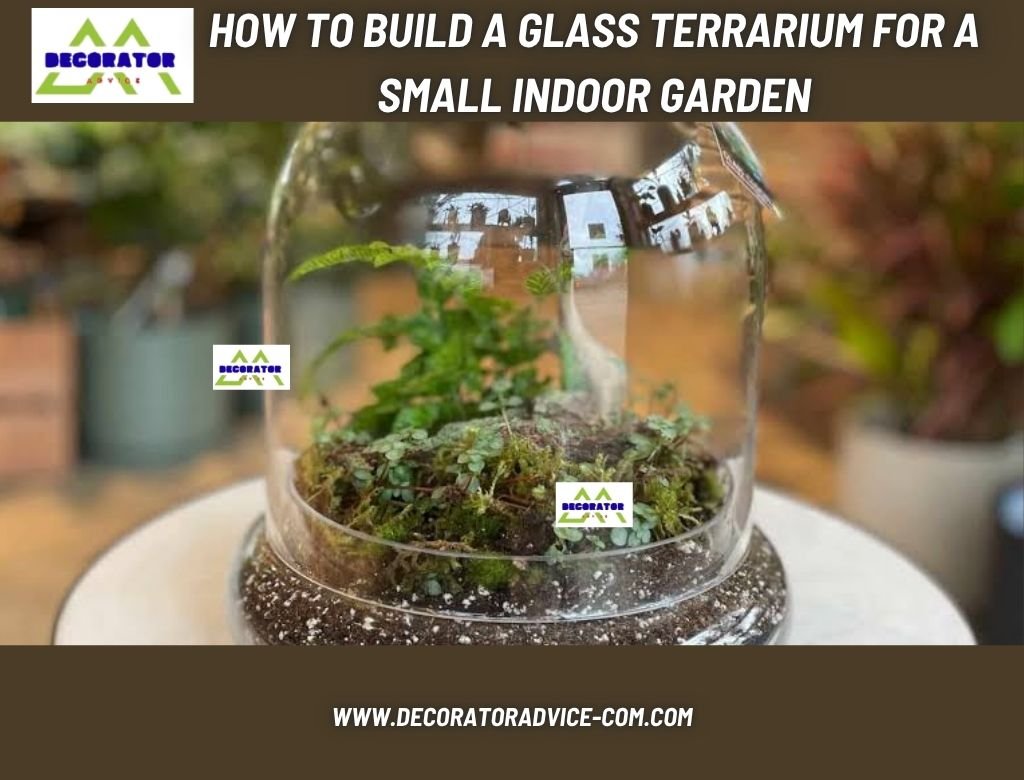
A glass terrarium brings a small planting into view while keeping it neatly contained on a shelf, desk, or table. At Vase Market, we offer sitting bubble bowls, slant-cut vessels, geometric designs, hanging glass plant terrariums, and dome styles with wood bases or stoppers. Each shape supports a different setup, so choose the vessel around the plant, its care needs, and the place you want to display it.
The collection includes compact hanging forms, bubble bowls such as 4.5-inch-high by 6-inch-wide and 6-by-8-inch styles, wider slant-cut bowls, geometric prisms, and a 10-inch dome terrarium with a wood base and stopper. These proportions affect how much planting medium fits and how easily you can reach the arrangement. Clear glass also makes the layers part of the display.
Match the terrarium style to the plant
Open bowls make it easier to reach the soil for watering and pruning. A hanging form uses vertical space, while a geometric or slant-cut vessel shows the planting layers from different angles. Check the opening and interior dimensions against the plant’s mature size, not just its size at purchase. For a first project, a wide opening makes planting and ongoing care simpler.
A dome or stopper style creates a more enclosed display, so reserve it for plants that tolerate humidity and monitor condensation. Succulents generally need a more open, airy setup. Many glass vessels do not have drainage holes; you can keep a small plant in its nursery pot inside the vessel, or plant directly with a shallow pebble layer to collect excess water. The stones do not drain water out of the glass, so watering still needs care.
Build the layers before placing the plant
Wash and dry the glass first. Add a shallow layer of pebbles, then a little horticultural charcoal if desired, followed by a light potting mix suited to the plant. Create a small space for the roots, lower the plant with a spoon or long tweezers, and gently firm the mix around it. Finish with moss or decorative stones, keeping leaves clear of the glass and the rim. In a narrow opening, add each layer slowly rather than tipping in large amounts at once.
Use a dropper or spray bottle to add a little water near the roots, then pause and check the soil. Because excess water cannot escape through a drainage hole, avoid soaking the arrangement or leaving roots in standing water. If a covered terrarium stays heavily fogged, remove the stopper or dome for a while to release moisture. An open vessel needs more regular observation because it doesn’t hold humidity the same way.
Place the terrarium where it can thrive
Choose bright, indirect light and avoid a window that receives strong direct sun; heat can build inside the glass. Keep the vessel away from radiators and cold drafts, and set a tabletop design on a level surface where it cannot be knocked easily. For a hanging model, use its intended hanger and check that the mounting point can support the filled vessel before adding plants or stones.
Check the glass and soil every few days at first. Remove dead leaves, trim growth that touches the sides, and adjust watering to the plant rather than following a fixed schedule. Wipe the outside with a soft cloth; lift the stopper or move the plant aside before cleaning the interior. If algae or mold appears, reduce moisture and improve airflow before it spreads.
Use the vessel for decorative displays too
When you want a display without plant care, a glass terrarium can hold dry moss, pebbles, shells, sand, faux botanicals, or small seasonal objects. A bubble bowl gives rounded items room to show; a prism or slant-cut design adds structure to a simple arrangement. Keep the contents low enough to see through the glass, and leave space to remove or rearrange them without scraping the sides.
Some glass styles are also listed for candle use, but a planted terrarium is not a candle holder. Use a flame only in a specific product intended for that purpose, with plants, soil, moss, and other combustible materials removed. Never burn a candle inside a closed or planted glass vessel.
At Vase Market, our terrariums include hanging, sitting, geometric, and globular forms. Browse Vase Market’s glass terrariums and compare the opening, height, and overall shape before choosing. Those dimensions help you check that the plant will fit, the layers will be visible, and the arrangement will remain accessible for care.
A small garden shaped by its container
A useful terrarium starts with the right vessel for the plant and the way you plan to care for it. Choose an opening that is easy to work through, build the layers gently, water sparingly, and place the glass in indirect light. With those choices in place, Vase Market’s glass terrariums can turn a compact plant or a few natural materials into a clear, practical focal point for the home.