

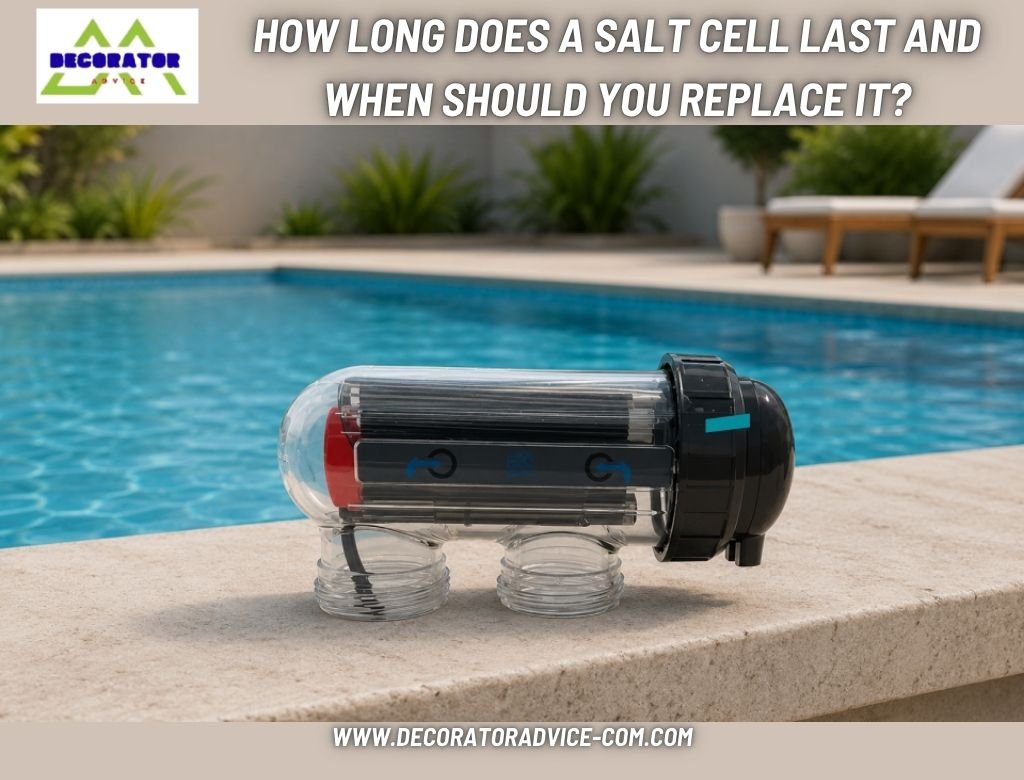
A salt water chlorinator can make pool maintenance simpler by producing chlorine from salt as the water passes through the salt cell. Like any working component, the cell gradually wears down and eventually needs attention or replacement. Understanding the expected lifespan, warning signs, and maintenance requirements can help avoid unexpected pool problems. Knowing when to consider salt cell replacements can also help keep chlorine levels stable and pool water clear throughout the swimming season.
How Long Does a Salt Cell Typically Last?
A salt cell can operate effectively for five to several years, and its lifespan depends on factors such as pool usage, water chemistry, maintenance and the quality of the cell. Some cells may require replacement sooner, while well-maintained units can continue operating effectively for an extended period.
The cell contains coated plates that generate chlorine through an electrochemical process. Each operating cycle gradually wears down the coating on these plates. Once the coating has deteriorated significantly, chlorine production begins to decline.
What Factors Affect the Lifespan of a Salt Cell?
Several factors influence how quickly a salt cell wears out. Paying attention to these areas can help maximise its useful operating life.
Pool Usage and Chlorinator Output
A pool that is used frequently generally requires more chlorine. The chlorinator may therefore run for longer periods or at a higher output, increasing the amount of work performed by the salt cell.
During warmer months, extended filtration and chlorination periods may also increase cell usage. Setting the chlorinator output appropriately for the pool’s requirements can help prevent unnecessary wear.
Water Chemistry and Salt Levels
Balanced pool water plays an important role in salt cell performance. Incorrect salt levels can affect chlorine production, while poorly balanced pH or calcium hardness can contribute to scale formation.
High calcium levels are particularly concerning because mineral deposits can collect around the cell plates. Regular water testing makes it easier to identify problems before they affect the cell.
Cleaning and Routine Maintenance
A salt cell should be inspected regularly for calcium deposits, debris and other buildup. If scale is allowed to remain on the plates, water flow can be restricted, and chlorine production may decrease.
Cleaning should always follow the manufacturer’s instructions. Over-cleaning or using unsuitable cleaning methods can damage the cell coating and shorten its service life.
Quality and Compatibility of the Salt Cell
Not every salt cell is suitable for every chlorinator. Using a compatible replacement designed for the specific chlorinator model helps maintain correct operation.
When comparing replacement options, check the manufacturer’s specifications, model number, connection type and chlorine output rating rather than choosing a cell based only on appearance or price.
Signs Your Salt Cell Needs Replacing
Several warning signs can indicate that a salt cell is reaching the end of its service life.
- Reduced chlorine production: The chlorinator may run normally but produce less chlorine than before.
- Consistently low chlorine readings: If water chemistry is balanced and chlorine remains low, an ageing cell could be responsible.
- Green or cloudy pool water: Poor chlorine production can allow algae and contaminants to build up.
- Excessive calcium or scale buildup: Heavy deposits can interfere with the cell’s ability to generate chlorine.
- Damaged, eroded or deteriorated cell plates: Visible deterioration is a strong indication that replacement may be required.
- Chlorinator warning lights, error messages or reduced output: Repeated alerts can point to a cell that is no longer operating correctly.
Before replacing the cell, check other possible causes such as incorrect salt concentration, poor water balance, inadequate water flow or a problem with the chlorinator itself.
When Should You Replace a Salt Cell?
Replacement is generally worth considering when the cell can no longer produce enough chlorine despite correct water chemistry, adequate water flow and suitable chlorinator settings. However, age alone does not always mean immediate replacement, as a well-maintained cell that continues producing chlorine effectively may remain suitable for use, while a newer cell exposed to poor water chemistry may deteriorate much sooner.
Regular inspection can make the decision easier. When replacement is required, a professional pool builder in Geelong can assess the existing chlorinator, pool conditions and equipment setup to help determine which replacement is suitable. The new salt cell should also be compatible with the chlorinator and properly integrated with the pool’s circulation system for reliable chlorine production.
How to Choose the Correct Replacement Salt Cell?
Choosing the correct replacement salt cell starts with identifying the chlorinator model and the specifications of the existing cell. The replacement should match the system’s requirements, including the cell type, connection, size and chlorine output. Checking the recommended part number and technical specifications before purchasing can help avoid compatibility issues.
The pool’s size, water volume and typical usage should also be considered to ensure the replacement provides suitable chlorine production. It should connect correctly to the existing equipment and integrate with the pool’s circulation system, supporting reliable chlorine production and consistent chlorinator performance after installation.
Final Thoughts
A salt cell can provide reliable chlorine production for several years when the pool is properly maintained. Its lifespan depends on factors such as operating hours, water chemistry, cleaning practices and cell quality.
Keeping salt and water chemistry within the recommended ranges, inspecting the cell regularly and responding to warning signs can help prevent avoidable problems. When chlorine production remains low despite correct settings and balanced water, replacement may be the most practical solution.
Frequently Asked Questions
How long does a salt cell usually last?
Most salt cells can operate efficiently for several years. Actual lifespan varies according to pool usage, operating hours, water chemistry, maintenance and cell quality.
What causes a salt cell to wear out faster?
Long operating hours, high chlorinator output, incorrect salt levels, unbalanced water chemistry and excessive calcium buildup can contribute to faster cell deterioration.
Can cleaning a salt cell extend its lifespan?
Regular cleaning can help maintain proper performance by removing scale and deposits. However, harsh or unnecessary cleaning can damage the cell plates, so the manufacturer’s cleaning instructions should always be followed.
When should an ageing salt cell be replaced?
Consider replacement when chlorine production remains low despite balanced water, correct salt levels, adequate water flow and appropriate chlorinator settings. Visible plate deterioration and recurring cell errors are also signs that replacement may be necessary.
How can the correct replacement salt cell be identified?
The correct replacement salt cell can be identified by checking the chlorinator model, existing cell specifications, part number, connection type and chlorine output. It should be compatible with the current chlorinator and suitable for the pool’s size and circulation system.