
A backyard can become one of the most useful parts of a home when it provides comfortable, practical spaces for people to relax, play, and spend time together. Homeowners considering a durable alternative to a traditional lawn can explore artificial grass solutions for Knoxville yards for information about professional artificial grass and synthetic turf installation services for residential properties in Knoxville, Tennessee. Thoughtful improvements to seating, landscaping, recreation areas, lighting, and other outdoor features can help turn an ordinary yard into a welcoming extension of the family home.
Create Comfortable Areas for Sitting Together
A comfortable seating area gives family members a natural place to gather outdoors without needing to organize a special occasion. A patio, deck, or level section of the yard can accommodate chairs, benches, and tables for meals, conversations, games, or quiet afternoons. Arranging furniture to encourage interaction can make the space feel more inviting than simply placing individual chairs around the perimeter.
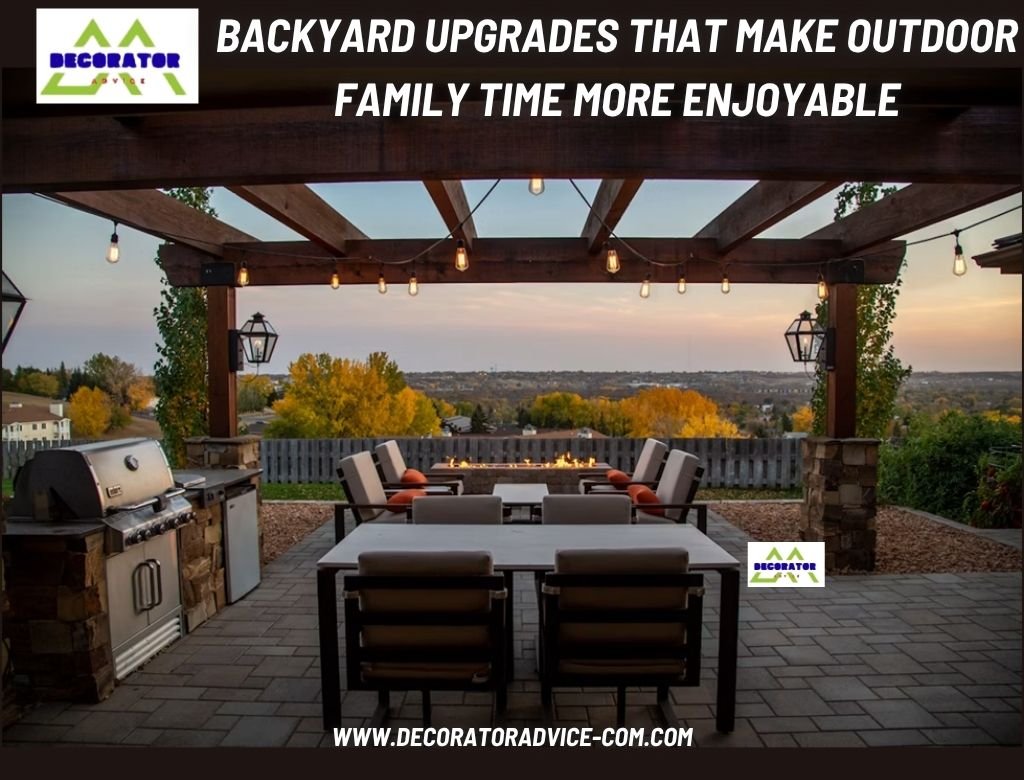
Comfort also depends on how well the seating area responds to changing outdoor conditions. Shade from a covered patio, pergola, umbrella, or appropriately positioned trees can make warm afternoons considerably more pleasant. Choosing furniture and materials designed for outdoor exposure can also reduce maintenance while keeping the gathering area ready for regular use.
Make the Lawn More Practical for Everyday Use
Open lawn space can support a wide range of family activities, from casual games and children’s play to picnics and time with pets. However, heavily used natural grass may develop bare patches, muddy areas, or uneven sections, particularly where people repeatedly walk or play. Families should consider how much traffic their lawn receives when deciding which surfaces and landscaping approaches are suitable.
A practical lawn should also fit the amount of maintenance a household realistically wants to perform. Regular mowing, watering, fertilizing, and repairing damaged areas can take considerable time during the growing season. Reducing difficult lawn sections or choosing lower-maintenance surfaces in heavily used areas can make the backyard easier to manage without sacrificing useful outdoor space.
Add a Dedicated Space for Outdoor Activities
Creating a specific area for games and recreation can encourage family members to spend more time outside. Depending on available space, this might include a small sports area, play equipment, a putting surface, a sandbox, or simply an open section reserved for flexible activities. Giving recreation a defined place can also help prevent toys and equipment from spreading throughout the entire yard.
The design should reflect the ages and interests of the people who will actually use the space. Younger children may benefit from an area positioned where adults can supervise easily, while older children and teenagers might appreciate room for sports or active games. Flexible spaces can be particularly useful because they can accommodate different activities as family routines and interests change.
Provide Enough Shade for Warmer Days
Strong sunlight can make an otherwise attractive backyard uncomfortable during the hottest parts of the day. Adding shade lets family members use outdoor spaces longer while creating more comfortable areas for eating, reading, playing, and relaxing. Permanent structures, adjustable umbrellas, shade sails, and trees can all serve this purpose, depending on the property layout.
Position shade based on how sunlight moves across the backyard, not just where it looks best. Observing which areas receive direct sun during the hours when the family typically spends time outside can help identify the most useful locations. This approach can prevent a new shade feature from missing the seating or activity area when protection is needed most.
Improve Outdoor Lighting for Evening Use
Outdoor lighting can extend family time beyond daylight hours while making frequently used areas easier to navigate. Pathways, steps, patios, entrances, and recreational areas are particularly important places to consider when developing a lighting plan. Using several carefully positioned fixtures can provide practical illumination without making the backyard unnecessarily bright.
Lighting can also contribute to the atmosphere of an outdoor gathering area after sunset. Softer lighting around seating and dining areas can create a comfortable setting, while brighter task lighting may be appropriate near cooking or activity spaces. Fixtures should be positioned to limit glare and avoid directing excessive light toward neighboring properties.
Make Outdoor Dining More Convenient
Eating outside can turn an ordinary family meal into a more enjoyable experience when the dining area is comfortable and easy to use. A sturdy table, adequate seating, nearby shade, and convenient access to the kitchen can make outdoor meals practical rather than complicated. Positioning the dining area close enough to the house can also reduce repeated trips when carrying food, dishes, and supplies.
Families that cook outside regularly may benefit from a dedicated grilling or preparation area. Even a relatively simple setup can become more functional with a safe cooking surface, nearby counter space, and weather-resistant storage for frequently used equipment. The cooking area should be arranged so that hot appliances remain separated from children’s play spaces and busy walking routes.
Use Landscaping to Make the Space Feel Welcoming
Plants can soften patios, fences, play areas, and other constructed features while adding color and texture to the backyard. Trees, shrubs, ornamental grasses, and planting beds can also help define separate areas without requiring walls or permanent barriers. Selecting plants that suit local sunlight, drainage, and soil conditions can reduce the amount of corrective maintenance required later.
Plant placement deserves careful consideration in a family-oriented yard because landscaping should support rather than interfere with everyday activities. Thorny plants, delicate varieties, or shrubs that quickly outgrow their space may not work well beside busy pathways and play areas. Allowing enough room for mature growth can create a more attractive landscape while reducing frequent trimming and replacement.
Add Storage to Keep the Backyard Organized
Outdoor spaces can quickly become cluttered when toys, sports equipment, gardening tools, cushions, and cooking accessories have no designated storage location. Weather-resistant storage benches, cabinets, deck boxes, or a small shed can make it easier to keep commonly used items protected and accessible. Convenient storage also makes cleanup less demanding because everything has an obvious place to go.
Storage should be positioned near the areas where its contents are most frequently used. Children’s toys might be kept near the play area, while grilling equipment belongs closer to the outdoor cooking space. Organizing items according to activity can reduce unnecessary trips back into the house and help the backyard remain ready for spontaneous family time.
Conclusion
The most successful backyard upgrades are those that reflect how a family genuinely wants to spend time outdoors rather than simply following current design trends. Comfortable seating, practical lawn areas, shade, recreation spaces, lighting, landscaping, dining facilities, and convenient storage can each contribute to a backyard that is easier and more enjoyable to use. By choosing improvements according to the property’s layout and the household’s everyday routines, families can create an outdoor space that remains useful for relaxation, play, meals, and shared experiences throughout the year.