

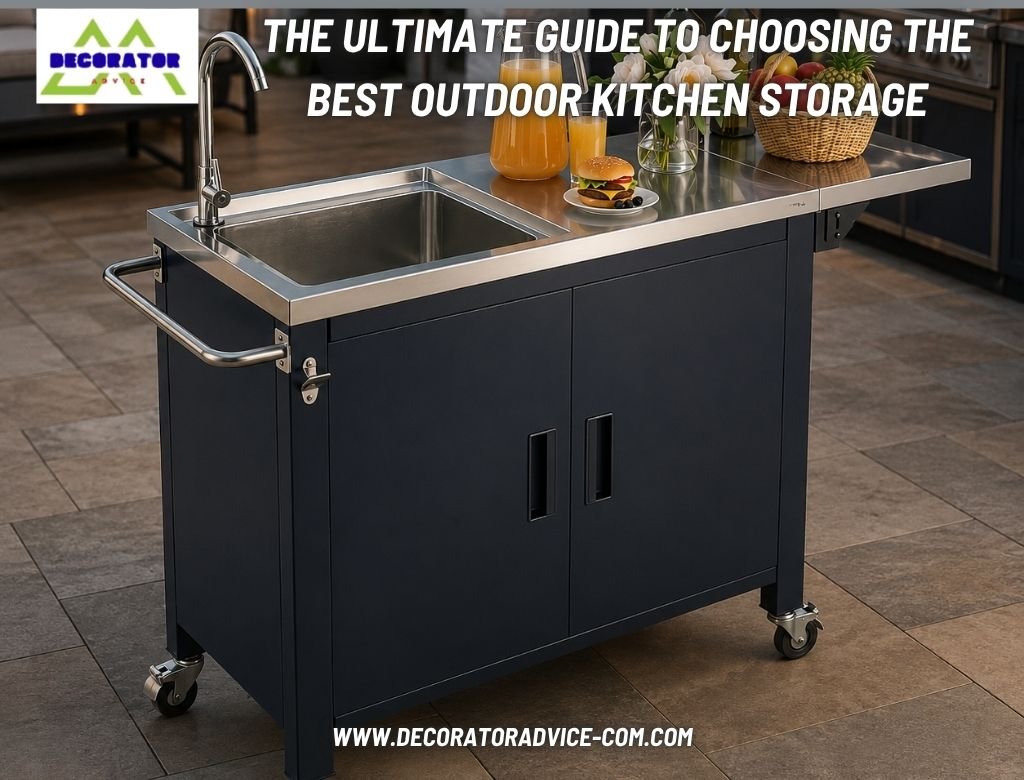
An outdoor kitchen can turn a backyard, patio, or terrace into a comfortable place for cooking and entertaining. But having a grill, refrigerator, and countertop is only part of the setup. Without enough space to organize cookware, utensils, food supplies, cleaning products, and other essentials, an outdoor cooking area can quickly become cluttered. Choosing the right outdoor kitchen storage is therefore just as important as selecting the appliances themselves.
The good news is that outdoor storage is available in many different forms and sizes. From compact cabinets to spacious drawers and dedicated waste-storage solutions, each option serves a specific purpose. The key is to understand what you actually need before buying anything. A well-planned storage system can make cooking easier, protect your equipment from the elements, and help your outdoor kitchen stay tidy throughout the year.
Why Storage Matters in an Outdoor Kitchen
Indoor kitchens benefit from walls, cabinets, pantries, and plenty of enclosed storage. Outdoor kitchens often have fewer boundaries, which means storage needs to be planned carefully. Leaving cooking accessories on countertops may seem convenient at first, but exposure to rain, sunlight, dust, and humidity can eventually damage them.
Proper storage gives everything a designated place. Grill tools can stay close to the grill, plates can be stored near the dining area, and cleaning supplies can be kept away from food preparation surfaces.
Storage also helps reduce unnecessary trips between the indoor and outdoor kitchen. If the items you use most frequently are within easy reach, preparing a meal outside becomes much more enjoyable.
Start by Assessing Your Space
Before choosing cabinets or drawers, measure the available space. This sounds obvious, but it is one of the most commonly overlooked steps when designing an outdoor kitchen.
Measure the width, height, and depth of the areas where you plan to install storage. Also consider doors, grill openings, plumbing connections, electrical outlets, and other appliances that may affect the available room.
Think about how you move around the kitchen as well. Storage should not block walkways or make it difficult to open appliance doors. In a compact outdoor kitchen, every inch matters, so choosing appropriately sized storage can make a significant difference.
If you are designing the kitchen from scratch, plan storage at the same time as the grill, sink, refrigerator, and countertops. This allows everything to work together rather than trying to fit cabinets into leftover spaces.
Think About What You Need to Store
The best storage solution depends heavily on what you use in your outdoor kitchen.
For example, someone who regularly hosts large family gatherings may need space for plates, serving trays, cookware, utensils, and extra food supplies. Another homeowner might primarily use the space for grilling and only need storage for barbecue tools, seasonings, and a few accessories.
Make a simple list of the items you expect to keep outside. Divide them into categories such as:
- Cooking utensils
- Plates, bowls, and glasses
- Pots and pans
- Grilling accessories
- Food and seasonings
- Cleaning supplies
- Paper towels and napkins
- Outdoor tableware
- Small appliances
- Trash and recycling supplies
Once you know what needs to be stored, it becomes much easier to determine which type of cabinet or drawer will work best.
Cabinets vs. Drawers
Drawers and cabinets both have their advantages, and many outdoor kitchens benefit from using a combination of the two.
Cabinets are useful for larger or oddly shaped items. Pots, pans, cutting boards, serving dishes, and cleaning equipment can often be stored more comfortably behind cabinet doors. They also provide a clean appearance and can conceal items that you do not want visible.
Drawers, on the other hand, are excellent for smaller items that you use frequently. Grill tongs, spatulas, knives, bottle openers, thermometers, and other accessories are easier to organize in a drawer.
When selecting Outdoor Kitchen Drawers, consider both their size and their layout. Deep drawers can accommodate larger cookware, while shallow drawers are better suited to utensils and small accessories. A combination of different drawer sizes can provide much better organization than using identical drawers throughout the kitchen.
Choose Materials Designed for Outdoor Conditions
Outdoor storage has to deal with conditions that indoor furniture does not. Rain, moisture, temperature changes, sunlight, and airborne dirt can all affect the longevity of cabinets and drawers.
Stainless steel is a popular choice because it is durable, easy to clean, and well suited to many outdoor environments. However, not all stainless steel products are identical, so it is worth checking the material specifications before making a purchase.
Look at the construction of the doors, drawer slides, handles, hinges, and mounting hardware. These components are exposed to the same environmental conditions as the main cabinet, so they should also be designed for outdoor use.
A good finish can also make a difference. Surfaces that are easy to wipe down will save time when grease, food splashes, or dust accumulate.
Consider Weather Protection
Even durable outdoor storage benefits from additional protection. If your kitchen is completely exposed to the weather, think carefully about where each storage unit will be positioned.
Covered patios and pergolas provide some protection from direct rain and sunlight. However, wind can still carry moisture and dirt into storage areas.
Look for storage solutions with properly fitted doors and drawers. A secure closure can help prevent water and debris from entering. If the kitchen is located in an especially wet or humid environment, additional precautions may be worthwhile.
For seasonal equipment, consider whether certain items should be moved indoors during periods when the outdoor kitchen is not being used.
Make Frequently Used Items Easy to Reach
One simple design principle can make an outdoor kitchen much more convenient: store frequently used items where you naturally need them.
For example, grilling tools should ideally be located near the grill. Plates and serving utensils can be stored closer to the countertop or dining area. Cleaning products can be placed near the sink.
This approach minimizes unnecessary movement and helps keep the countertop clear.
You can also organize drawers according to frequency of use. Items you reach for every time you cook should be in the easiest-to-access locations, while seasonal or rarely used equipment can go into deeper cabinets.
Don’t Forget Trash and Recycling
Waste management is another important part of outdoor kitchen design. Nobody wants to carry food scraps and packaging through the house every time they prepare a meal outside.
A dedicated waste compartment can keep garbage concealed while making it easy to dispose of food waste during cooking. It can also prevent trash bags from taking up valuable floor or countertop space.
An Outdoor Kitchen Trash Drawer is particularly useful when you want a cleaner, more integrated appearance. Depending on the design, it can accommodate a removable waste container and provide quick access when preparing food.
If you separate recyclable materials from regular waste, you may want to plan for two containers rather than one. This is especially useful for families or households that regularly entertain guests.
Consider Drawer Slides and Hardware
It is easy to focus on appearance and overlook the mechanical components of storage. However, hinges, handles, and drawer slides have a major impact on everyday usability.
Drawers should open smoothly without excessive movement or resistance. Heavy-duty slides are particularly important for drawers that will hold cookware, bottles, or other heavy objects.
Handles should also be comfortable to grip and positioned where they can be reached easily. In an outdoor kitchen, hardware should ideally be resistant to corrosion and designed to withstand frequent use.
Small details like these may not seem important when purchasing the storage, but they become noticeable after months or years of daily use.
Match Storage to Your Cooking Habits
There is no universal storage layout that works for every household.
If you enjoy grilling steaks and burgers, you may want a large drawer for grilling tools, another for seasonings, and cabinet space for plates and serving trays. If you frequently cook full meals outdoors, you may need considerably more storage for cookware and ingredients.
People who entertain regularly should also think about guest capacity. A kitchen designed for two people may not have enough storage for a weekend gathering of ten or fifteen guests.
Your cooking habits should ultimately guide the design. Instead of choosing storage simply because it looks attractive, consider how you will actually use the kitchen.
Leave Some Extra Storage Capacity
It can be tempting to choose storage based on your current needs, but outdoor kitchens often accumulate accessories over time. You may eventually add a pizza stone, additional grill tools, outdoor cookware, serving dishes, or a portable appliance.
For this reason, it is smart to leave some unused capacity. A kitchen that is completely full from day one may become difficult to organize later.
Extra storage is particularly valuable if you frequently host parties or seasonal gatherings. Having a little additional room means you do not have to rearrange the entire kitchen whenever you purchase something new.
Keep Safety in Mind
Storage should also contribute to a safe cooking environment.
Cleaning chemicals, sharp tools, and other potentially hazardous items should be kept separate from food and tableware. Heavy objects should be stored in a way that prevents them from falling when drawers or cabinet doors are opened.
Avoid overcrowding drawers. When everything is packed tightly together, finding an item becomes difficult and removing it can cause other objects to fall out.
If children regularly use the outdoor area, consider keeping certain items in secure, less accessible storage compartments.
Maintenance Is Part of the Selection Process
Even high-quality outdoor storage needs routine maintenance. Fortunately, maintaining most outdoor kitchen storage does not have to be complicated.
Regularly wipe down exposed surfaces to remove dust, grease, and food residue. Check drawer slides and hinges periodically, particularly if the kitchen is exposed to moisture.
Pay attention to signs of corrosion, loose hardware, or water entering storage compartments. Addressing small issues early can prevent more expensive problems later.
It is also worth cleaning the inside of cabinets and drawers occasionally. Outdoor environments can introduce dust and debris even when the storage remains closed most of the time.
Create a Storage Layout That Works for You
The best outdoor kitchen is not necessarily the largest or most expensive one. It is the one that makes everyday cooking easier.
A practical layout might combine a cabinet beneath the countertop, several drawers near the grill, and a dedicated waste compartment. Another setup might prioritize large cabinets for cookware and food supplies.
Try to imagine preparing a typical meal and identify every item you reach for. Then consider where each item should be stored. This simple exercise can reveal whether your planned layout is genuinely convenient.
Final Thoughts
Choosing the right storage is one of the most important decisions when creating a functional outdoor kitchen. Good storage protects your equipment, reduces clutter, improves organization, and makes cooking outdoors feel much more like using a well-designed indoor kitchen.
Focus on the available space, the materials, weather resistance, storage capacity, hardware quality, and the way you actually cook. Combine cabinets and drawers where appropriate, keep frequently used equipment within easy reach, and do not overlook waste management.
Most importantly, think about long-term use rather than just appearance. A well-organized outdoor kitchen should remain practical after months and years of cooking, entertaining, and changing weather. With the right planning and a thoughtful combination of Outdoor Kitchen Drawers, cabinets, and dedicated waste solutions, you can create a space that is both attractive and genuinely convenient.
Before making the final purchase, a detailed Outdoor Kitchen Trash Drawer can also be worth considering as part of the overall layout. Once you understand your available space, storage needs, materials, and cooking habits, you will be in a much better position to choose an outdoor kitchen storage solution that keeps everything organized and ready for the next meal.









2 Comments