
Understanding the Real Cost of Deteriorating Pavement
Pavement doesn’t fail overnight. It deteriorates gradually — through freeze-thaw cycles, heavy vehicle traffic, UV exposure, and water infiltration — until what was once a smooth, functional surface becomes a liability. In Denver, where temperature swings between seasons are dramatic and snowmelt creates persistent moisture challenges, asphalt surfaces face accelerated wear compared to milder climates. Property owners who delay addressing cracked or rutted pavement often find that what could have been a manageable repair becomes a full-scale reconstruction project. The financial and operational consequences of that delay are rarely worth it.
When Patching Is No Longer Enough
There’s a threshold every asphalt surface eventually crosses — a point where crack filling and patching no longer provide meaningful results. When the structural base has been compromised, when alligator cracking has spread across large sections, or when surface elevation has become uneven enough to create drainage problems, patching becomes a temporary cosmetic fix rather than a real solution. At this stage, property owners need to consider a more comprehensive approach that addresses the underlying issues rather than masking them.
What Mill and Pave Actually Involves
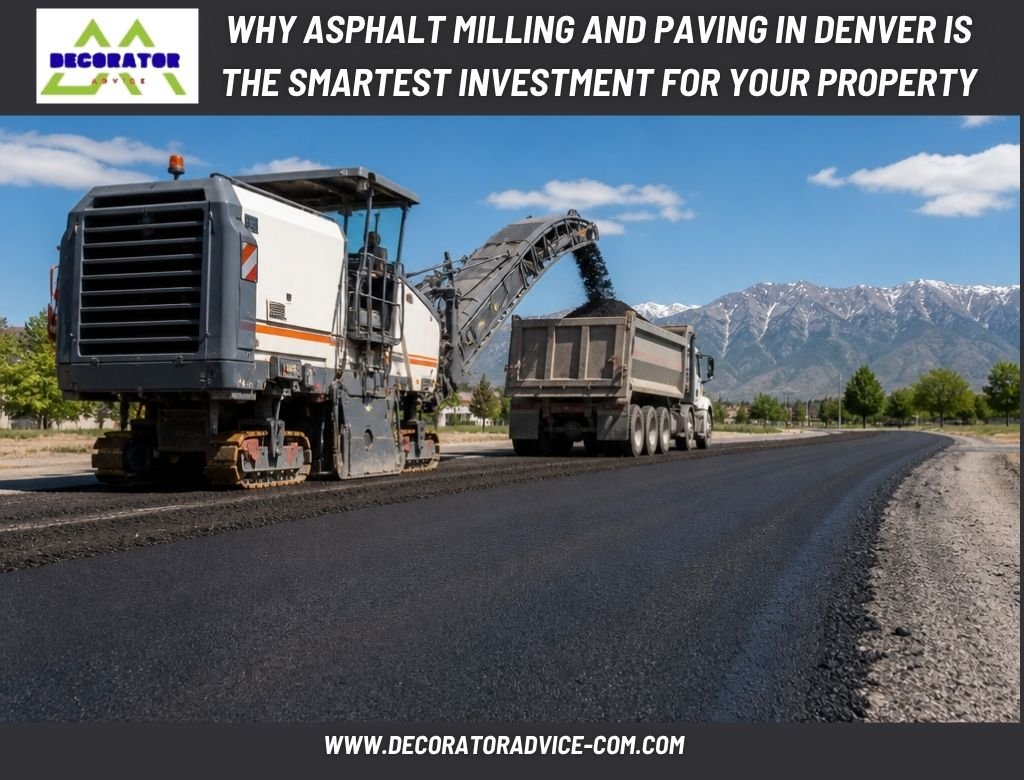
Mill and pave is a two-stage process that removes the existing deteriorated asphalt layer using specialized milling machines, then installs a fresh layer of hot-mix asphalt over the prepared base. Unlike full-depth reclamation, milling preserves the existing sub-base when it remains structurally sound, making it a cost-effective middle ground between surface patching and complete reconstruction. The milling process grinds the old asphalt to a precise depth — typically one to three inches — creating a textured surface that bonds exceptionally well with the new overlay. The result is a surface that performs like new without the expense of removing and replacing the entire pavement structure.
The Role of Proper Drainage in Pavement Longevity
One of the most overlooked factors in pavement performance is drainage. Water is the primary enemy of asphalt — it infiltrates cracks, weakens the sub-base, and accelerates freeze-thaw damage. During a mill and pave project, experienced contractors evaluate and correct surface grades to ensure water flows away from the pavement rather than pooling on it. This is a principle that extends well beyond driveways and parking lots. Just as homeowners often overlook drainage when designing outdoor spaces, the same oversight frequently occurs with paved surfaces — and the consequences are equally damaging over time. Addressing drainage during the milling and paving process is not an optional upgrade; it’s a foundational requirement for a surface that will last.
Denver’s Climate Demands a Higher Standard
Denver’s Front Range location creates a uniquely demanding environment for asphalt. The city averages over 300 days of sunshine annually, which accelerates oxidation and surface brittleness. At the same time, winter temperatures regularly drop below freezing, and the rapid temperature fluctuations — sometimes 40 to 50 degrees within a single day — create relentless expansion and contraction stress on pavement materials. Add to this the use of road salts and de-icing chemicals, and you have a recipe for accelerated deterioration that demands both quality materials and expert installation. A mill and pave project completed with Denver’s specific climate in mind will use appropriate asphalt mix designs and compaction techniques that account for these conditions.
Commercial vs. Residential Applications
Mill and pave is equally applicable to commercial parking lots, private driveways, HOA roads, and municipal surfaces. For commercial properties, the stakes are particularly high — deteriorated pavement creates liability exposure, deters customers, and signals neglect to potential tenants or buyers. For residential properties, a freshly paved driveway significantly enhances curb appeal and property value. The process scales effectively across project sizes, and the timeline is typically faster than full reconstruction, minimizing disruption to daily operations or household routines.
Protecting Your Investment After Paving
A new asphalt surface is an investment that deserves ongoing protection. Sealcoating, applied after the asphalt has cured — typically 90 days after installation — creates a protective barrier against UV rays, water infiltration, and chemical spills. Regular sealcoating on a three-to-five-year cycle can double the lifespan of an asphalt surface. Beyond sealcoating, keeping the surface clean, addressing minor cracks promptly, and maintaining proper drainage will preserve the integrity of the pavement for decades. For those who also maintain garage floors or other hardscaped surfaces, understanding protective coatings is equally valuable — this detailed guide on applying epoxy coatings to garage floors offers practical insight into surface protection principles that complement exterior pavement care.
Timing Your Project for Maximum Value
In Denver, the optimal window for asphalt paving runs from late spring through early fall, when temperatures are consistently above 50 degrees Fahrenheit. Asphalt requires adequate ambient and surface temperatures to compact properly and achieve the density needed for long-term performance. Planning your mill and pave project during this window ensures the best possible installation conditions. Waiting until pavement failure is visible and urgent often means competing for contractor availability during peak season — scheduling proactively gives property owners more flexibility and often better pricing.
Asphalt Coatings Company: Denver’s Trusted Paving Partner
When it comes to selecting a contractor for a mill and pave project in the Denver metro area, experience and local knowledge matter enormously. Asphalt Coatings Company has built a reputation for delivering high-quality pavement solutions across residential, commercial, and municipal projects throughout Colorado. Their team understands the specific demands of Denver’s climate and brings the equipment, expertise, and material knowledge necessary to execute mill and pave projects that stand up to local conditions. From initial assessment through final compaction, their process is thorough, transparent, and focused on long-term performance rather than short-term appearances.
What Sets a Quality Contractor Apart
Not all paving contractors approach mill and pave projects with the same level of rigor. The difference between a surface that lasts 15 years and one that begins showing wear within five often comes down to base preparation, mix design selection, compaction technique, and attention to drainage. A quality contractor will assess the existing sub-base before milling begins, recommend the appropriate milling depth, and ensure the new asphalt is installed and compacted to specification. They will also communicate clearly about what the project includes, what the realistic lifespan of the new surface will be, and what maintenance steps will extend that lifespan.
Making the Decision to Move Forward
For property owners in Denver who are watching their pavement deteriorate season by season, the question is rarely whether to act — it’s when and how. Choosing asphalt milling and paving in Denver through a qualified, experienced contractor is the most cost-effective path to restoring a safe, attractive, and durable surface. The longer deterioration is allowed to progress, the more expensive the eventual solution becomes. A proactive approach — one that addresses pavement issues before they reach the point of structural failure — protects both the property and the budget. In a city with Denver’s climate demands, that kind of forward-thinking maintenance isn’t just smart; it’s essential.
Final Thoughts on Pavement as a Long-Term Asset
Asphalt pavement is often treated as a background element of a property — noticed only when it fails. But well-maintained pavement contributes meaningfully to property value, safety, and first impressions. A mill and pave project, executed correctly and maintained properly, transforms a deteriorating liability into a durable asset. For Denver property owners, the combination of local climate awareness, quality materials, and skilled installation makes all the difference between a surface that lasts and one that requires attention again within a few years. Invest in the process, choose the right contractor, and the pavement will take care of itself for years to come.