
Your home’s exterior communicates a lot before anyone steps through the front door. From the landscaping to the paint color, every detail shapes a first impression—and house numbers are no exception. Often overlooked, address numbers are one of the most functional and visually impactful elements of any facade. Whether you live in a contemporary townhouse or a classic colonial, the right house numbers can sharpen your home’s identity, improve visibility for guests and emergency services, and add a layer of intentional design that ties your exterior together. This guide walks you through everything worth knowing before making your selection.
Why House Numbers Matter More Than You Think
Most homeowners spend considerable time selecting exterior paint, door hardware, and lighting fixtures, yet house numbers are frequently an afterthought. This is a missed opportunity. Address numbers serve a dual purpose: they are a navigational necessity and a design statement. Poorly chosen numbers — faded plastic digits from a hardware store, for instance — can undercut an otherwise polished exterior. Conversely, well-crafted numbers in the right finish and font can make a home look more expensive, more intentional, and more welcoming.
Beyond aesthetics, visibility is a genuine safety concern. Emergency responders need to locate your address quickly, especially at night or in poor weather. Numbers that are too small, poorly contrasted against their background, or obscured by foliage can cost critical seconds. Choosing the right size, material, and placement is not just a style decision — it is a practical one.
Understanding Your Design Options
The market for house numbers has expanded significantly in recent years. Homeowners are no longer limited to a handful of generic fonts and finishes. Today, options range from brushed stainless steel and matte black powder-coated aluminum to hand-painted ceramic tiles and backlit LED installations. Each material carries its own aesthetic weight and maintenance requirements.
Material and Finish Considerations
Metal numbers — particularly those in aluminum, brass, or stainless steel — are among the most durable and weather-resistant options available. Aluminum is lightweight and rust-proof, making it ideal for coastal climates where salt air accelerates corrosion. Brass develops a natural patina over time, which many homeowners find appealing, though it does require occasional polishing if a bright finish is preferred. Stainless steel offers a clean, modern look that holds up exceptionally well in most climates without significant maintenance.
For those drawn to a more artisanal or Mediterranean aesthetic, ceramic and hand-painted tile numbers offer warmth and character. These work particularly well on stucco or brick exteriors. However, they are more fragile than metal alternatives and may not be the best choice in areas prone to freezing temperatures, where expansion and contraction can cause cracking.
Font and Size: Getting the Balance Right
Font selection is more nuanced than it might appear. A serif font can feel traditional and refined, while a sans-serif option reads as modern and minimal. Script fonts, though elegant, often sacrifice legibility — particularly from a moving vehicle. As a general rule, house numbers should be at least four to six inches tall for standard residential applications, though larger homes with greater setbacks from the street may require numbers eight inches or taller to maintain readability.
Contrast is equally important. Dark numbers on a light surface — or vice versa — are far easier to read than numbers that blend into their mounting surface. If your door or wall is a medium tone, consider a mounting plate or backer panel in a contrasting color to ensure the numbers stand out clearly.
Placement and Installation Tips
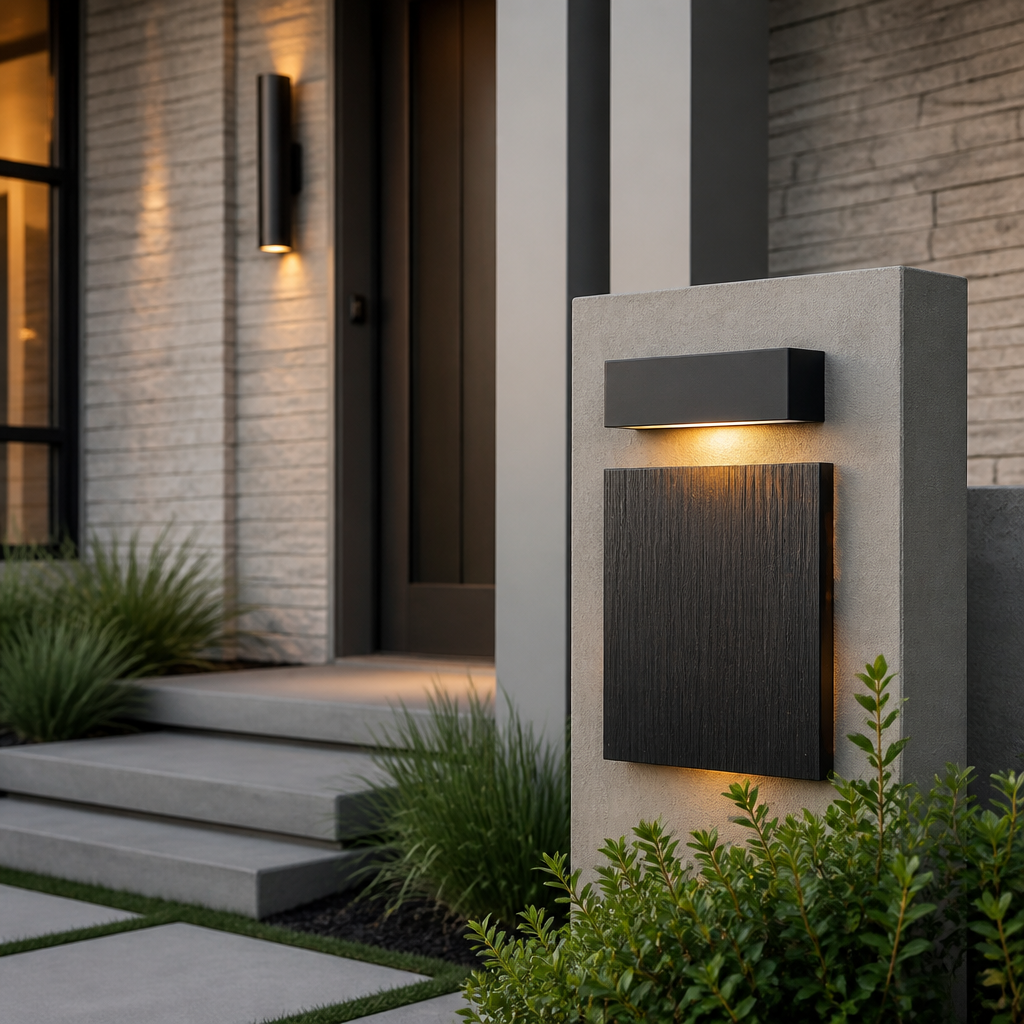
Where you mount your house numbers matters as much as which numbers you choose. The most common locations include beside the front door, above the garage, on a mailbox post, or on a dedicated address plaque near the street. Each placement has its advantages depending on your home’s layout and the distance from the curb.
If your home sits far back from the street, consider placing numbers in two locations: one near the door for close-up identification and one closer to the street for drive-by visibility. Lighting is another factor worth planning for. Solar-powered or low-voltage accent lighting directed at your house numbers ensures they remain visible after dark without requiring a full electrical installation.
For homeowners who are also updating their entry hardware, it is worth considering how your house numbers coordinate with other exterior elements. integrating door hardware with your overall exterior design creates a cohesive look that elevates the entire facade rather than treating each element in isolation.
The Role of Numerology and Feng Shui
For some homeowners, the choice of house numbers extends beyond the visual. Feng shui, the ancient Chinese practice of harmonizing individuals with their surrounding environment, attributes specific energies to numbers. Certain digits are considered auspicious — associated with prosperity, health, and good fortune — while others are thought to carry less favorable energy. If this perspective resonates with you, it is worth exploring before finalizing your address display. For a thorough overview of how numerology intersects with home design, this guide on feng shui house numbers offers practical and culturally grounded insight.
A Closer Look at Modern House Numbers
For homeowners who want a truly tailored result, Modern House Numbers has established itself as a leading resource in the custom address number space. The brand offers an extensive range of fonts, finishes, and sizes designed to complement virtually any architectural style. Their approach prioritizes both craftsmanship and customization, allowing customers to preview how different configurations will look before committing to a purchase. Whether you are outfitting a new build or refreshing an existing home, their catalog provides options that go well beyond what is typically available at a local hardware store.
When choosing custom house numbers, it is worth taking the time to consider not just the aesthetic but also the practical dimensions — material durability, mounting hardware, and how the numbers will read from the street at various times of day and night. A well-informed decision at this stage saves both time and money in the long run.
Making a Decision That Lasts
House numbers are a long-term investment in your home’s exterior. Unlike seasonal decor or paint colors that can be updated relatively easily, address numbers are typically mounted with hardware and expected to endure years of weather exposure. Choosing quality materials from the outset — and taking the time to think through placement, size, and finish — means you are unlikely to revisit this decision for many years.
It also pays to think about resale value. Buyers form impressions quickly, and a home with a polished, well-maintained exterior — including crisp, clearly visible house numbers — signals that the property has been cared for. It is a small detail that contributes to a larger narrative of quality and attention to detail.
Conclusion
Selecting house numbers may seem like a minor task, but approached thoughtfully, it becomes an opportunity to refine your home’s exterior in a meaningful way. From material and font to placement and lighting, each decision compounds to create an address display that is both functional and genuinely attractive. Take the time to evaluate your options carefully, coordinate with your existing exterior elements, and invest in quality that will serve your home well for years to come.