

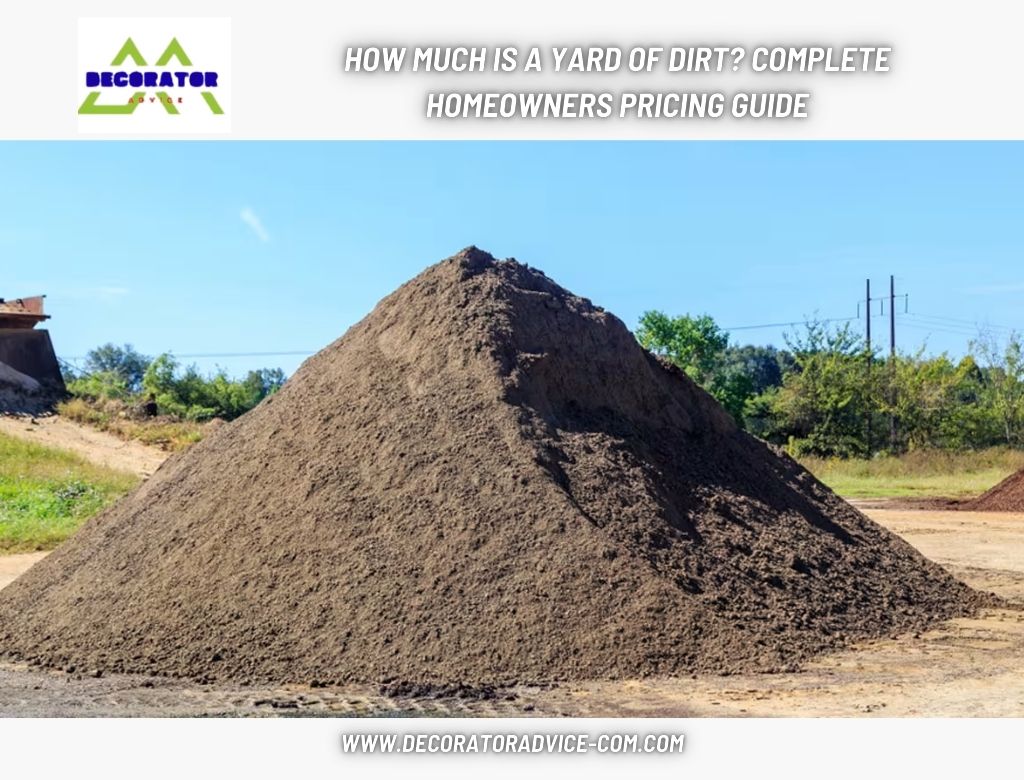
If you’re organizing any landscaping or outdoor project out there, a question most homeowners have is How Much Is a Yard of Dirt weigh. Regardless of what you’ll use the dirt for (filling low spots in your lawn, building garden beds, tossing it on top of soil to help new grass grow), having an approximate idea of the cost of dirt will allow you to budget properly and avoid blowing a bunch of cash getting dirt where/how you need it.
In this guide, you will learn about pricing, types of soil, delivery costs, and money-saving strategies so that you can make an informed buying decision for your home project.
How Much Is a Yard of Dirt and What All Does it Include?
Before discussing price, it’s good to get a general understanding of what “How Much Is a Yard of Dirt” actually means. One yard of dirt, also known as a cubic yard, is:
- 3 ft 3 ft 3 ft
- 27 cubic feet of soil
- Approximately 2,000 to 3,000 pounds wet, depending on moisture and soil type
When a yard of dirt is mentioned, they usually mean this “cubic” measure, which makes sense to the trade for landscapers, suppliers, and contractors.
What Is the Average Price for a Yard of Dirt in 2026?
Typically, the price varies by the quality and purpose of the dirt. The most inexpensive is basic fill dirt; nutrient-rich garden soil costs more.
Typical price ranges include:
- Fill dirt: $10–$20 per yard
- Topsoil: $20–$50 per yard
- Screened topsoil: $30–$75 per yard
- Garden soil mixes: $40 to $100 per yard
Then, How Much Is a Yard of Dirt cost for most homeowners? In most areas, you can expect to spend $20 to $60 before delivery.
What type of dirt, and how does this affect pricing?
Knowing soil kinds explains why prices vary.
Fill dirt is generally used to fill in a hole or level an area, and has very little organic content. Topsoil has the types of nutrients for grasses and small landscapes. Screened topsoil that has been sifted to get rid of rocks and debris, great for areas that are seen. How Much Is a Yard of Dirt? Garden soil mixes have compost and organic matter, ready for planting beds.
Choosing the perfect variety makes sure you’re not overspending on soil quality you don’t need — or underbuying for a project that needs nutrient-dense dirt.
How Much is a Yard of Dirt Depending on Where You Live and What the Supply Is?
Geography is a big factor in How Much Is a Yard of Dirt. Prices are typically higher in urban areas because of transportation costs and demand, while you can often get cheaper soil options on more rural properties.
Local demand, fuel prices, and supplier competition are all factors that can affect pricing. That is why two homeowners who are each doing the same project in different cities could pay very different amounts.
How Much Is a Yard of Dirt for Delivery?
Delivery is one of the most forgotten-about cost factors. The dirt itself might be low-cost, but carrying heavy soil demands its own trucks and gas.
There is an average delivery charge per load of between $50 and $150 based on distance via dump truck from the nearest open quarry site, which will be calculated at the time of sale. Buying multiple yards at a time often reduces the price per yard. E.g., delivery of one yard may cost you a total of $120, but delivery of five yards could be an average of $60/yard.
Always inquire whether suppliers charge flat-rate or distance-based delivery fees.
How Much Is a Yard of Dirt vs Bagged Soil?
Homeowners may be curious whether bagged soil costs less. In fact, bulk dirt is much cheaper.
54 Your average 40-pound bag (2ftx1ft) Standard one cubic yard = 27 of your standard 40-lb bags Buying that many bags individually could cost $150–$300 compared to $30–$60 for bulk dirt. If your project is more than a little patch, you are almost always better off making a bulk purchase.
How to Figure Out How Much Is a Yard of Dirt You Need
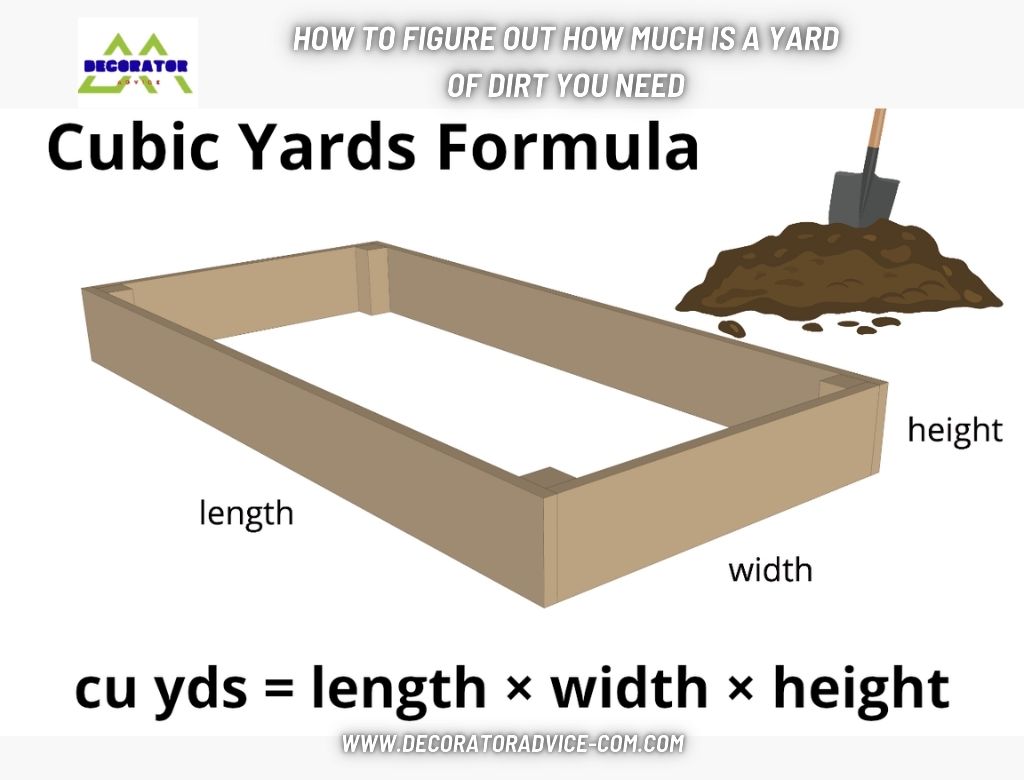
Then use this simple formula to avoid ordering How Much Is a Yard of Dirt — or not enough:
(calculate length x width x depth in feet ÷ 27 to get cubic yards)
Precise measurements help manage costs and minimize waste, particularly when delivery charges are levied.ResultSet=fopen(fullfile(‘D:’,’ Work Files’, ‘Lot EBM bone test article data bootstrap’, fileName));458then use the GUI to select appropriate sections of the scanned image and measure sample areas.
How to Save Money on Dirt Smartly
For cost-conscious students, here are a few measures to cut the tab:
- Buy local to reduce delivery charges
- Combine orders with neighbors
- Ask landscapers about leftover soil
- Advertisment Look at community listings when searching for free fill dirt
- Buy during off-season months
Planning can drastically cut into your overall spending.
Conclusion:
For a lot of people, knowing what a yard of dirt is can help to plan out a landscaping project. Although prices depend on factors such as soil type, location, and delivery, bulk dirt is still among the most inexpensive options for enhancing outdoor areas.
By selecting the right soil, measuring your needs precisely, and comparing suppliers, you can finish your project quickly without breaking the bank. How Much Is a Yard of Dirt? For most residential needs, it’s a yard of dirt that offers the best value and long-term results.
Frequently Asked Questions:
Q1: How Many Yards Is a Yard of Dirt for Low Spots?
A: Topsoil and fill dirt generally cost $10-$20 per cubic yard on average, allowing a small project to be completed for less than $50 with good-quality topsoil or fill dirt.
Q2: Can you use one yard of dirt for a garden?
A: Yes, one yard should spread about 100 square feet at a depth of 3 inches, which will cover small garden beds.
Q3: Will wet soil cost me more?
A: Yes, wet soil is a much heavier product, and that affects delivery and handling.
Q4: Can I Hand Spread A Yard Of Dirt?
A: Yes, but it can be labor-intensive. This often needs wheelbarrows and shovels.
Q5: What should I purchase, screened or unscreened dirt?
A: If it’s visible and you have flowers, shrubs, or other landscaping that you want to keep looking nice, screened dirt is best; for filling in trenches and so on, unscreened will work.