

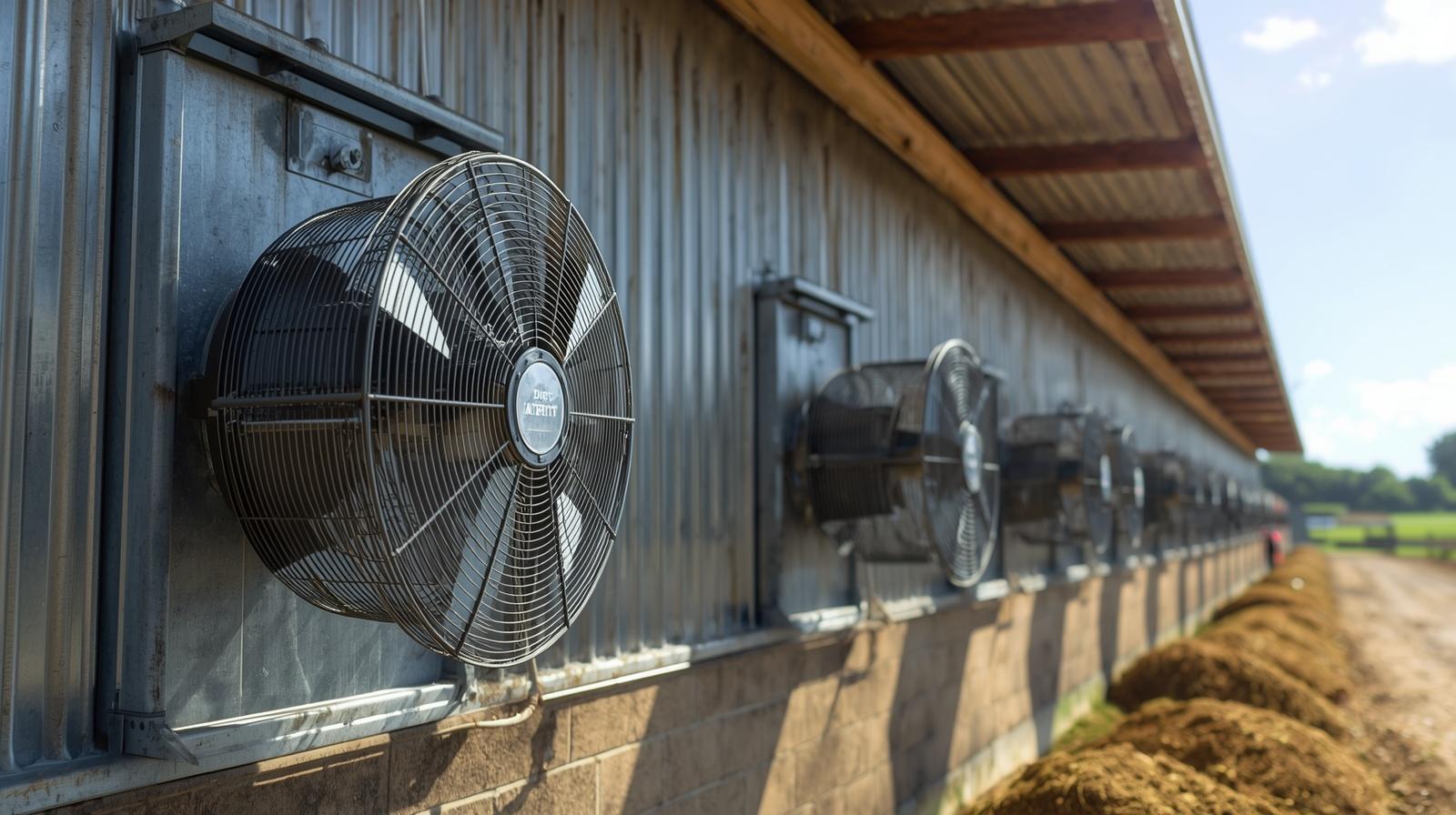
Modern livestock farming depends heavily on maintaining a safe and stable environment for animals. Temperature, humidity, and air quality directly affect animal health, productivity, and welfare. During warmer months, barns can quickly become uncomfortable and even dangerous due to heat buildup, poor airflow, and moisture accumulation. This is where barn ventilation fans play an essential role.
Proper ventilation is not simply about keeping barns cooler. It is a critical management practice that supports respiratory health, reduces stress, controls airborne contaminants, and improves overall living conditions for livestock. Whether used in dairy barns, poultry houses, swine facilities, or equine structures, effective ventilation systems contribute to healthier animals and more efficient farm operations.
As climate patterns become more unpredictable and heat waves increase in frequency, farmers are placing greater emphasis on environmental control systems. Well-designed ventilation strategies help animals remain comfortable while supporting sustainable and responsible agricultural practices.
Why Heat Stress Is a Serious Concern in Livestock Facilities
Heat stress occurs when animals are unable to regulate their body temperature effectively. In enclosed barns, high temperatures combined with humidity can create dangerous conditions, especially when airflow is limited. Livestock naturally produce body heat, and without proper ventilation, that heat accumulates rapidly.
Different species respond to heat stress in different ways. Dairy cattle often reduce feed intake and milk production. Poultry may experience poor growth rates and higher mortality. Swine can become lethargic and less productive. Even horses housed in poorly ventilated barns may suffer from respiratory discomfort and dehydration.
Research from agricultural extension programs and veterinary institutions consistently shows that prolonged exposure to heat stress negatively affects animal welfare and economic performance. Animals experiencing chronic heat stress may show symptoms such as:
- Increased respiration rates
- Reduced appetite
- Lower fertility
- Weakened immune response
- Greater susceptibility to disease
- Behavioral changes such as crowding or agitation
In severe cases, excessive heat can become life-threatening. This makes climate management one of the most important aspects of modern barn design.
How Barn Ventilation Fans Improve Airflow and Temperature Control
Effective airflow is essential for maintaining a healthy barn environment. Barn ventilation fans work by circulating fresh air while removing warm, stale, and moisture-laden air from the structure. This process helps regulate indoor temperatures and prevents the buildup of harmful gases such as ammonia and carbon dioxide.
Ventilation systems typically operate using either natural airflow, mechanical systems, or a combination of both. Mechanical ventilation often includes exhaust fans, circulation fans, tunnel ventilation systems, or high-volume low-speed fans. Each type serves a specific purpose depending on barn size, animal species, and regional climate conditions.
By increasing air movement around animals, fans create a cooling effect similar to wind chill in humans. Even a moderate breeze can significantly improve animal comfort during hot weather. Faster air exchange also helps remove excess humidity, which is particularly important because humid conditions reduce the body’s ability to cool itself naturally.
Temperature consistency is another major advantage. Uneven airflow can create hot spots within barns, causing animals to cluster in cooler areas and compete for comfort. Properly positioned fans distribute air more evenly throughout the facility, reducing temperature fluctuations and improving overall environmental stability.
Air Quality and Respiratory Health in Barn Environments
Air quality is often overlooked compared to temperature control, yet it is equally important for animal welfare. Poorly ventilated barns can accumulate dust, pathogens, moisture, and gases produced by manure decomposition. These contaminants affect both animals and farm workers.
Ammonia is one of the most common concerns in livestock facilities. High ammonia levels can irritate the eyes and respiratory systems of animals, increasing the risk of infections and chronic lung conditions. Poultry and swine operations are particularly vulnerable because of higher stocking densities.
Using barn ventilation fans helps remove airborne pollutants before they reach harmful concentrations. Continuous air exchange lowers humidity levels, reducing mold growth and bacterial survival rates. Cleaner air contributes to healthier lungs, stronger immune systems, and improved daily performance.
Respiratory health is especially critical for young animals. Calves, piglets, and chicks are more vulnerable to poor environmental conditions because their immune systems are still developing. Proper ventilation supports healthier growth by minimizing exposure to harmful airborne particles.
Veterinarians and agricultural engineers often emphasize that ventilation should function year-round, not only during summer. In colder months, barns still require controlled airflow to maintain fresh air while preventing excessive moisture buildup.
The Relationship Between Ventilation and Animal Productivity
Animal welfare and productivity are closely connected. Livestock that remain comfortable and healthy generally perform better in terms of growth, reproduction, and product quality.
In dairy farming, heat-stressed cows often produce significantly less milk because they consume less feed and expend more energy trying to cool themselves. Studies have shown that improving airflow through well-designed ventilation systems can help maintain milk production during hot weather periods.
Poultry operations also benefit greatly from proper airflow management. Chickens exposed to excessive heat may reduce feed intake, leading to slower weight gain and lower egg production. Consistent ventilation supports healthier flocks and more stable production outcomes.
Similarly, swine producers rely on controlled ventilation to maintain optimal growth conditions. Pigs are highly sensitive to heat because they have limited sweating ability. Improved air circulation reduces discomfort and supports feed efficiency.
The role of barn ventilation fans extends beyond immediate cooling. Long-term exposure to healthy environmental conditions supports lower mortality rates, better reproductive success, and improved overall herd performance.
Choosing the Right Ventilation System for Different Barn Types
Not all barns require the same ventilation strategy. The ideal system depends on building design, climate, stocking density, and animal species.
Dairy barns commonly use large circulation fans combined with natural sidewall ventilation. These systems help move large volumes of air while maintaining open airflow patterns. In freestall barns, fans are often positioned over feed lanes and resting areas to maximize cooling effectiveness.
Poultry houses typically rely on tunnel ventilation systems. These setups use exhaust fans to pull air through the building at high speed, creating strong directional airflow that cools birds efficiently.
Swine barns often use mechanically controlled systems with adjustable inlets and exhaust fans. These systems allow precise environmental management because pigs are sensitive to both heat and poor air quality.
Horse barns may prioritize gentle airflow and moisture control to protect respiratory health while avoiding excessive drafts. In these settings, balanced air circulation is often more important than aggressive cooling.
When selecting ventilation equipment, farmers should consider factors such as fan capacity, energy efficiency, maintenance requirements, and noise levels. Proper installation and routine inspection are also essential for long-term performance.
Energy Efficiency and Sustainable Farm Management
Energy consumption is an important consideration in modern agriculture. Ventilation systems often operate continuously, particularly during warm seasons, making efficiency a major priority for farm operators.
Advances in fan technology have improved energy performance significantly in recent years. Many modern systems use variable-speed motors, automated climate sensors, and smart controllers to optimize airflow while minimizing electricity use.
Energy-efficient barn ventilation fans not only reduce operational costs but also support environmental sustainability goals. Lower energy consumption decreases greenhouse gas emissions associated with farm operations, contributing to more responsible agricultural practices.
Automation also improves precision. Climate-controlled systems can adjust fan speed based on temperature, humidity, and animal needs in real time. This reduces unnecessary energy use while maintaining stable environmental conditions.
Sustainable ventilation strategies may also incorporate natural airflow design features such as ridge vents, sidewall openings, and insulated roofing systems. Combining natural and mechanical ventilation often provides the best balance between efficiency and animal comfort.
Common Ventilation Mistakes That Affect Animal Welfare
Even well-equipped barns can experience ventilation problems if systems are poorly designed or improperly managed. One common mistake is inadequate fan placement. Fans that fail to distribute air evenly may leave certain areas stagnant and overheated.
Oversized or undersized systems can also create issues. Excessive airflow may produce drafts that stress animals, while insufficient airflow fails to remove heat and contaminants effectively.
Maintenance is another critical factor. Dirty fan blades, clogged inlets, and worn motors reduce airflow efficiency over time. Regular cleaning and inspection help ensure systems continue operating as intended.
Ignoring humidity levels is another frequent oversight. Temperature alone does not determine comfort. High humidity prevents efficient cooling and contributes to bacterial growth. Effective ventilation should address both heat and moisture control simultaneously.
Farmers should also avoid relying solely on visual assessment. Environmental monitoring tools such as temperature sensors, humidity gauges, and airflow measurements provide more accurate information about barn conditions.
Future Trends in Barn Ventilation Technology
Agricultural technology continues to evolve, and ventilation systems are becoming increasingly sophisticated. Smart farming solutions now allow farmers to monitor and adjust environmental conditions remotely using mobile devices and automated software.
Artificial intelligence and predictive analytics are also beginning to influence livestock climate management. These technologies can analyze weather patterns, animal behavior, and barn conditions to optimize ventilation strategies automatically.
Improved fan blade designs and motor technologies are enhancing airflow efficiency while reducing noise and energy consumption. Some systems now integrate renewable energy sources such as solar panels to offset electricity costs.
As public awareness of animal welfare grows, ventilation systems will likely remain a major focus in livestock facility design. Consumers, regulators, and agricultural organizations increasingly recognize that healthy living conditions are essential for ethical and sustainable food production.
Conclusion
Maintaining a healthy barn environment is fundamental to responsible livestock management. Heat stress, poor air quality, and inadequate airflow can negatively affect animal welfare, productivity, and farm efficiency. Effective ventilation systems provide a practical and scientifically supported solution to these challenges.
By improving temperature control, reducing airborne contaminants, and supporting respiratory health, barn ventilation fans contribute significantly to healthier and more comfortable living conditions for livestock. Their role extends beyond cooling alone, influencing productivity, disease prevention, and long-term sustainability.
As farming operations continue adapting to changing climate conditions and higher welfare standards, proper ventilation will remain an essential investment. Well-planned systems not only protect animals but also help farmers create safer, more efficient, and more sustainable agricultural environments.









One Comment